Ai Career coach
Ai Career coach
Ai Career coach
Future of Interview Preparation: AI Trends for 2026
Future of Interview Preparation: AI Trends for 2026
Future of Interview Preparation: AI Trends for 2026
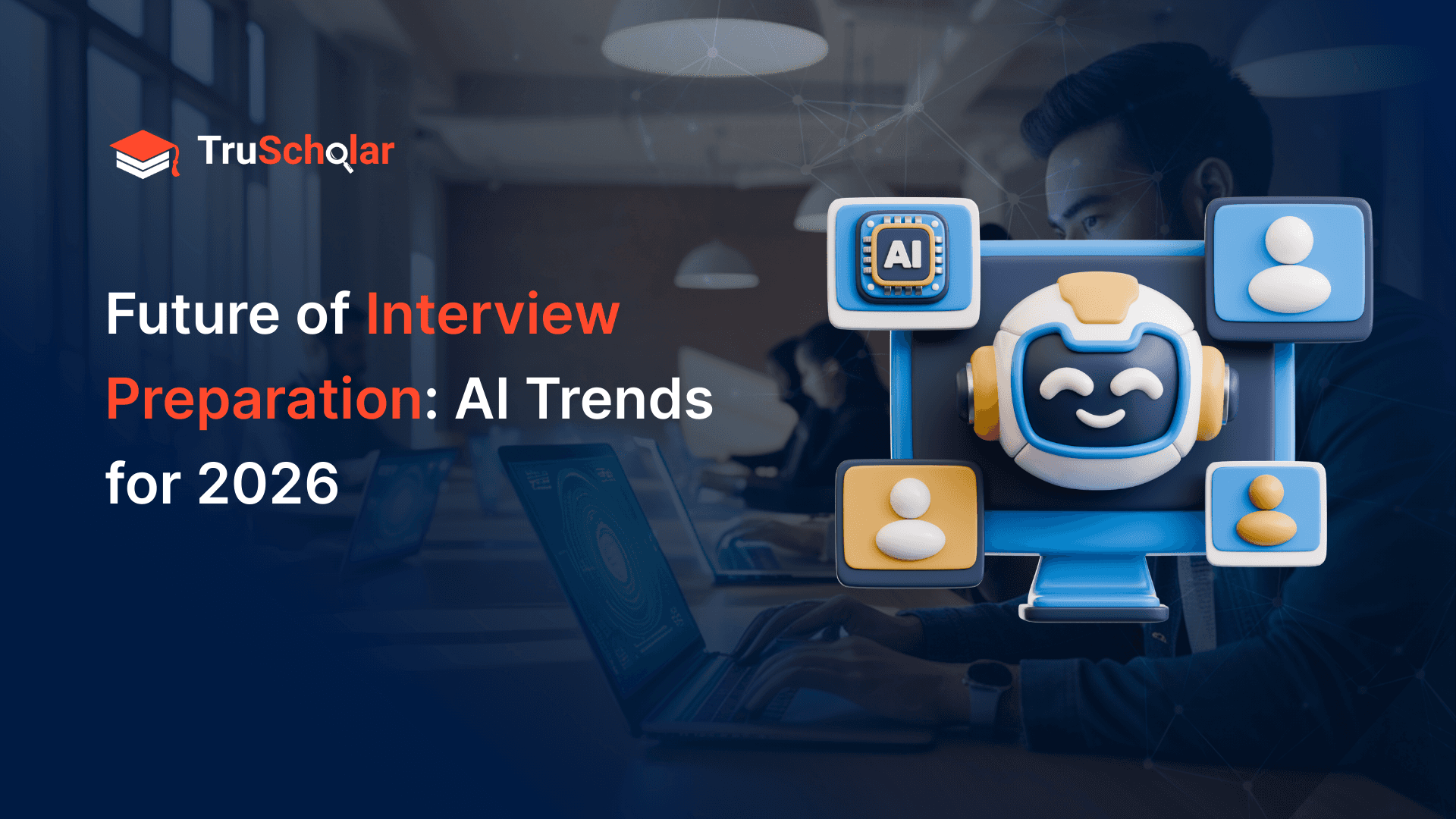
The landscape of ai interview preparation is evolving faster than most job seekers realize. What started as simple question generators has grown into intelligent systems that analyze speech, predict hiring patterns, and simulate real-world interview environments. As we move into 2026, AI-driven preparation is expected to become even more personalized, predictive, and immersive.
Candidates are no longer just preparing answers. They are training with data-backed insights that refine communication, structure responses, and improve decision-making under pressure. The future of interview preparation is not about memorizing responses. It is about developing adaptive skills powered by intelligent feedback systems.
Why AI Interview Preparation Is Rapidly Advancing
Hiring processes are becoming more data-driven. Companies use applicant tracking systems, skill-based assessments, and behavioral analytics to evaluate candidates. In response, ai interview preparation tools are becoming more sophisticated to match these hiring methods.
Instead of offering static practice questions, next-generation platforms analyze job descriptions, company culture indicators, and industry trends. This allows candidates to prepare in a targeted and strategic way. By 2026, AI tools are expected to align even more closely with real recruiter expectations.
The shift is clear. Preparation is moving from guesswork to measurable performance improvement.
Key AI Interview Preparation Trends Shaping 2026
Here are the major developments expected to redefine ai interview preparation in 2026:
Hyper-personalized interview simulations based on individual career data
AI systems will use detailed candidate profiles, including past experiences and career goals, to generate interview questions uniquely tailored to each user instead of generic industry-wide question sets.Real-time emotional intelligence and sentiment analysis during practice sessions
Advanced AI will detect stress patterns, voice tension, and emotional fluctuations, helping candidates improve composure and project calm confidence even in high-pressure interview scenarios.Integration of virtual reality for immersive mock interview environments
Virtual interview rooms will simulate real office settings, panel interviews, and remote video calls, giving candidates realistic exposure before attending actual hiring sessions.Predictive analytics that identify high-impact answer strategies
AI tools will analyze successful candidate patterns and recommend response structures statistically linked to better hiring outcomes across specific industries.Adaptive learning systems that adjust difficulty levels automatically
As candidates improve, the AI will increase complexity in questions, introduce follow-up challenges, and simulate unexpected interviewer interruptions to sharpen critical thinking skills.Automated alignment with company-specific hiring frameworks
Future platforms will pull insights from public company data, values, and recent projects to tailor interview preparation according to specific employer expectations.Enhanced non-verbal communication analysis using video processing
AI will assess eye contact, posture, facial expressions, and micro-expressions, offering feedback on body language that significantly impacts interview impressions.Seamless integration with job application tracking and career planning tools
Interview preparation platforms will connect directly with job search dashboards, allowing users to prepare strategically based on active applications and upcoming interviews.
How Candidates Can Prepare Smarter in 2026
As ai interview preparation tools become more advanced, candidates must adapt their approach. Simply using the technology passively will not be enough. Active engagement with feedback and consistent practice will remain essential.
Candidates should focus on building adaptable communication skills rather than memorized answers. With AI analyzing structure, tone, and clarity, interview preparation will feel more like performance training than simple rehearsal.
It will also be important to maintain authenticity. While AI can suggest optimized phrasing, recruiters still value genuine responses. The goal is refinement, not robotic perfection.
Another smart strategy is to combine AI preparation with networking. While AI improves delivery and clarity, real conversations with industry professionals provide context that technology alone cannot replace.
The Shift Toward Skill-Based Hiring
By 2026, hiring decisions are expected to focus more heavily on demonstrated skills rather than just academic qualifications. This change directly impacts ai interview preparation methods.
Future AI platforms will likely include simulated case studies, real-time problem-solving challenges, and collaborative exercises that mirror workplace scenarios. This approach allows candidates to practice applying knowledge rather than just describing it.
Employers increasingly want proof of ability. AI preparation tools are evolving to provide that simulated proof environment before candidates face real hiring panels.
What This Means for Job Seekers
The future of interview preparation is structured, measurable, and highly personalized. AI is not replacing human judgment in hiring, but it is transforming how candidates prepare.
Job seekers who embrace these tools early will gain a competitive advantage. They will enter interviews with refined communication skills, data-backed confidence, and structured storytelling abilities.
The evolution of ai interview preparation in 2026 represents a shift toward smarter preparation rather than harder preparation. Instead of spending hours guessing what might be asked, candidates will rely on systems that simulate, analyze, and refine performance in targeted ways.
As technology continues to improve, the gap between unprepared and well-prepared candidates will grow. Those who adapt to AI-driven practice methods will likely move through hiring processes faster and with greater success.
The landscape of ai interview preparation is evolving faster than most job seekers realize. What started as simple question generators has grown into intelligent systems that analyze speech, predict hiring patterns, and simulate real-world interview environments. As we move into 2026, AI-driven preparation is expected to become even more personalized, predictive, and immersive.
Candidates are no longer just preparing answers. They are training with data-backed insights that refine communication, structure responses, and improve decision-making under pressure. The future of interview preparation is not about memorizing responses. It is about developing adaptive skills powered by intelligent feedback systems.
Why AI Interview Preparation Is Rapidly Advancing
Hiring processes are becoming more data-driven. Companies use applicant tracking systems, skill-based assessments, and behavioral analytics to evaluate candidates. In response, ai interview preparation tools are becoming more sophisticated to match these hiring methods.
Instead of offering static practice questions, next-generation platforms analyze job descriptions, company culture indicators, and industry trends. This allows candidates to prepare in a targeted and strategic way. By 2026, AI tools are expected to align even more closely with real recruiter expectations.
The shift is clear. Preparation is moving from guesswork to measurable performance improvement.
Key AI Interview Preparation Trends Shaping 2026
Here are the major developments expected to redefine ai interview preparation in 2026:
Hyper-personalized interview simulations based on individual career data
AI systems will use detailed candidate profiles, including past experiences and career goals, to generate interview questions uniquely tailored to each user instead of generic industry-wide question sets.Real-time emotional intelligence and sentiment analysis during practice sessions
Advanced AI will detect stress patterns, voice tension, and emotional fluctuations, helping candidates improve composure and project calm confidence even in high-pressure interview scenarios.Integration of virtual reality for immersive mock interview environments
Virtual interview rooms will simulate real office settings, panel interviews, and remote video calls, giving candidates realistic exposure before attending actual hiring sessions.Predictive analytics that identify high-impact answer strategies
AI tools will analyze successful candidate patterns and recommend response structures statistically linked to better hiring outcomes across specific industries.Adaptive learning systems that adjust difficulty levels automatically
As candidates improve, the AI will increase complexity in questions, introduce follow-up challenges, and simulate unexpected interviewer interruptions to sharpen critical thinking skills.Automated alignment with company-specific hiring frameworks
Future platforms will pull insights from public company data, values, and recent projects to tailor interview preparation according to specific employer expectations.Enhanced non-verbal communication analysis using video processing
AI will assess eye contact, posture, facial expressions, and micro-expressions, offering feedback on body language that significantly impacts interview impressions.Seamless integration with job application tracking and career planning tools
Interview preparation platforms will connect directly with job search dashboards, allowing users to prepare strategically based on active applications and upcoming interviews.
How Candidates Can Prepare Smarter in 2026
As ai interview preparation tools become more advanced, candidates must adapt their approach. Simply using the technology passively will not be enough. Active engagement with feedback and consistent practice will remain essential.
Candidates should focus on building adaptable communication skills rather than memorized answers. With AI analyzing structure, tone, and clarity, interview preparation will feel more like performance training than simple rehearsal.
It will also be important to maintain authenticity. While AI can suggest optimized phrasing, recruiters still value genuine responses. The goal is refinement, not robotic perfection.
Another smart strategy is to combine AI preparation with networking. While AI improves delivery and clarity, real conversations with industry professionals provide context that technology alone cannot replace.
The Shift Toward Skill-Based Hiring
By 2026, hiring decisions are expected to focus more heavily on demonstrated skills rather than just academic qualifications. This change directly impacts ai interview preparation methods.
Future AI platforms will likely include simulated case studies, real-time problem-solving challenges, and collaborative exercises that mirror workplace scenarios. This approach allows candidates to practice applying knowledge rather than just describing it.
Employers increasingly want proof of ability. AI preparation tools are evolving to provide that simulated proof environment before candidates face real hiring panels.
What This Means for Job Seekers
The future of interview preparation is structured, measurable, and highly personalized. AI is not replacing human judgment in hiring, but it is transforming how candidates prepare.
Job seekers who embrace these tools early will gain a competitive advantage. They will enter interviews with refined communication skills, data-backed confidence, and structured storytelling abilities.
The evolution of ai interview preparation in 2026 represents a shift toward smarter preparation rather than harder preparation. Instead of spending hours guessing what might be asked, candidates will rely on systems that simulate, analyze, and refine performance in targeted ways.
As technology continues to improve, the gap between unprepared and well-prepared candidates will grow. Those who adapt to AI-driven practice methods will likely move through hiring processes faster and with greater success.