Ai career coach
Ai career coach
Ai career coach
How AI Improves Communication Skills for Interviews?
How AI Improves Communication Skills for Interviews?
How AI Improves Communication Skills for Interviews?
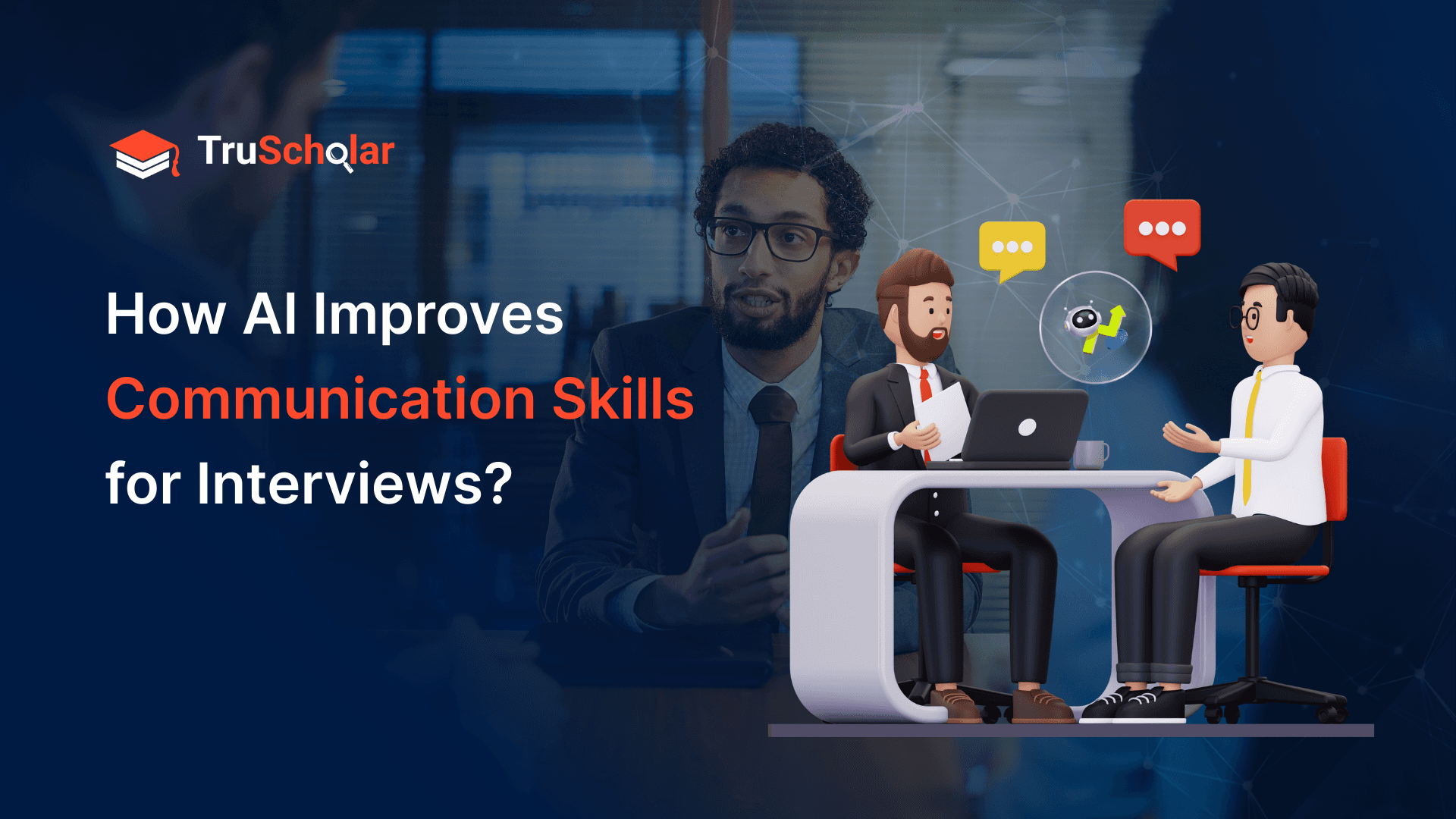
Strong communication can make or break an interview. You might have the right qualifications, technical knowledge, and experience, but if your answers are unclear or poorly structured, recruiters may move on to someone else. This is where tools that use artificial intelligence are changing the preparation process. Today, many candidates rely on platforms that help ai improve communication skills through structured feedback and repeated practice.
Interviews are not just about what you say. They are about how you say it. Tone, clarity, pacing, confidence, and structure all matter. AI-powered tools analyze these factors in ways that traditional preparation methods often cannot.
Why Communication Matters More Than Ever in Interviews
Recruiters evaluate more than just technical competence. They assess whether you can explain ideas clearly, collaborate with teams, and handle professional conversations. Even highly skilled candidates sometimes struggle to express achievements in a concise and structured way.
When ai improve communication skills, it focuses on measurable behaviors. It tracks filler words, long pauses, repetitive phrases, weak vocabulary, and lack of structure. Instead of guessing what went wrong in a mock interview, you receive clear insights that show exactly where to improve.
This level of detail helps candidates refine delivery step by step rather than relying on vague advice like “be more confident” or “speak clearly.”
How AI Improves Communication Skills Through Practice and Feedback
Modern AI interview tools combine simulation and analysis. You answer realistic questions while the system evaluates your response patterns in real time. Over multiple sessions, improvement becomes visible and measurable.
Here are the most impactful ways these tools work:
Real-time analysis of speech clarity and filler word usage
AI systems detect overused words such as “um,” “like,” or “you know,” and measure how often they interrupt your responses. Reducing filler words makes answers sound more confident and professional during interviews.Structured feedback on answer organization and logical flow
The platform evaluates whether your response follows a clear beginning, middle, and conclusion. It highlights when examples lack context or results, encouraging better storytelling and structured explanations.Tone and pacing evaluation for confident delivery
AI tools measure speaking speed and vocal variation. If you speak too quickly due to nervousness or too slowly due to hesitation, the system suggests adjustments for balanced and engaging communication.Behavioral question simulations based on real interview patterns
Candidates practice answering common behavioral questions, allowing AI to assess how effectively they present experiences, challenges, and measurable achievements in professional language.Performance tracking across multiple practice sessions
Progress dashboards show measurable improvement in clarity, structure, and confidence scores. This ongoing tracking motivates candidates to continue refining their communication skills over time.Personalized recommendations for vocabulary and phrasing improvements
AI platforms often suggest stronger action verbs and more precise wording to replace vague phrases, helping answers sound impactful and results-focused.Safe and judgment-free environment for repeated practice
Unlike practicing in front of others, AI-based systems allow unlimited rehearsals without embarrassment, encouraging consistent improvement through repetition and experimentation.Integration of industry-specific communication expectations
Advanced tools adapt feedback based on job role or industry, ensuring your communication style aligns with professional standards expected in that field.
Building Confidence Through Measurable Improvement
Confidence often develops from preparation and repetition. When candidates can see that their filler words have decreased or that their answers are more structured than before, they feel more in control.
As ai improve communication skills, they remove uncertainty from the process. Instead of wondering whether you sound prepared, you have measurable data supporting your progress. This clarity reduces anxiety before real interviews.
Over time, improved communication also enhances listening skills. Many AI tools encourage concise answers, which helps candidates avoid overexplaining or drifting off-topic. Clear and focused communication leaves a stronger impression on hiring managers.
Practical Ways to Use AI for Communication Growth
To maximize results, candidates should practice regularly rather than cramming preparation into one session. Short, consistent practice builds natural confidence and fluency.
It is also important to review feedback carefully. If the AI suggests improving structure, rewrite your response and try again. Focus on measurable outcomes in your examples, such as percentages, revenue growth, or efficiency improvements.
Combining AI practice with real conversations is also helpful. After refining answers digitally, test them in mock interviews with friends or mentors. This ensures that improvements translate into natural real-world interaction.
Beyond Interviews: Long-Term Career Benefits
The ability to communicate clearly does not only help during interviews. Professionals who can present ideas effectively often perform better in meetings, presentations, and leadership roles.
When candidates use AI tools that ai improve communication skills, they develop habits that extend into workplace communication. Clear structure, confident delivery, and focused storytelling are valuable in almost every professional setting.
Communication is a skill that improves with feedback and repetition. AI simply makes that process faster, more detailed, and more personalized. By practicing consistently and applying insights thoughtfully, candidates can transform interview performance and increase their chances of securing job offers in competitive markets.
Strong communication can make or break an interview. You might have the right qualifications, technical knowledge, and experience, but if your answers are unclear or poorly structured, recruiters may move on to someone else. This is where tools that use artificial intelligence are changing the preparation process. Today, many candidates rely on platforms that help ai improve communication skills through structured feedback and repeated practice.
Interviews are not just about what you say. They are about how you say it. Tone, clarity, pacing, confidence, and structure all matter. AI-powered tools analyze these factors in ways that traditional preparation methods often cannot.
Why Communication Matters More Than Ever in Interviews
Recruiters evaluate more than just technical competence. They assess whether you can explain ideas clearly, collaborate with teams, and handle professional conversations. Even highly skilled candidates sometimes struggle to express achievements in a concise and structured way.
When ai improve communication skills, it focuses on measurable behaviors. It tracks filler words, long pauses, repetitive phrases, weak vocabulary, and lack of structure. Instead of guessing what went wrong in a mock interview, you receive clear insights that show exactly where to improve.
This level of detail helps candidates refine delivery step by step rather than relying on vague advice like “be more confident” or “speak clearly.”
How AI Improves Communication Skills Through Practice and Feedback
Modern AI interview tools combine simulation and analysis. You answer realistic questions while the system evaluates your response patterns in real time. Over multiple sessions, improvement becomes visible and measurable.
Here are the most impactful ways these tools work:
Real-time analysis of speech clarity and filler word usage
AI systems detect overused words such as “um,” “like,” or “you know,” and measure how often they interrupt your responses. Reducing filler words makes answers sound more confident and professional during interviews.Structured feedback on answer organization and logical flow
The platform evaluates whether your response follows a clear beginning, middle, and conclusion. It highlights when examples lack context or results, encouraging better storytelling and structured explanations.Tone and pacing evaluation for confident delivery
AI tools measure speaking speed and vocal variation. If you speak too quickly due to nervousness or too slowly due to hesitation, the system suggests adjustments for balanced and engaging communication.Behavioral question simulations based on real interview patterns
Candidates practice answering common behavioral questions, allowing AI to assess how effectively they present experiences, challenges, and measurable achievements in professional language.Performance tracking across multiple practice sessions
Progress dashboards show measurable improvement in clarity, structure, and confidence scores. This ongoing tracking motivates candidates to continue refining their communication skills over time.Personalized recommendations for vocabulary and phrasing improvements
AI platforms often suggest stronger action verbs and more precise wording to replace vague phrases, helping answers sound impactful and results-focused.Safe and judgment-free environment for repeated practice
Unlike practicing in front of others, AI-based systems allow unlimited rehearsals without embarrassment, encouraging consistent improvement through repetition and experimentation.Integration of industry-specific communication expectations
Advanced tools adapt feedback based on job role or industry, ensuring your communication style aligns with professional standards expected in that field.
Building Confidence Through Measurable Improvement
Confidence often develops from preparation and repetition. When candidates can see that their filler words have decreased or that their answers are more structured than before, they feel more in control.
As ai improve communication skills, they remove uncertainty from the process. Instead of wondering whether you sound prepared, you have measurable data supporting your progress. This clarity reduces anxiety before real interviews.
Over time, improved communication also enhances listening skills. Many AI tools encourage concise answers, which helps candidates avoid overexplaining or drifting off-topic. Clear and focused communication leaves a stronger impression on hiring managers.
Practical Ways to Use AI for Communication Growth
To maximize results, candidates should practice regularly rather than cramming preparation into one session. Short, consistent practice builds natural confidence and fluency.
It is also important to review feedback carefully. If the AI suggests improving structure, rewrite your response and try again. Focus on measurable outcomes in your examples, such as percentages, revenue growth, or efficiency improvements.
Combining AI practice with real conversations is also helpful. After refining answers digitally, test them in mock interviews with friends or mentors. This ensures that improvements translate into natural real-world interaction.
Beyond Interviews: Long-Term Career Benefits
The ability to communicate clearly does not only help during interviews. Professionals who can present ideas effectively often perform better in meetings, presentations, and leadership roles.
When candidates use AI tools that ai improve communication skills, they develop habits that extend into workplace communication. Clear structure, confident delivery, and focused storytelling are valuable in almost every professional setting.
Communication is a skill that improves with feedback and repetition. AI simply makes that process faster, more detailed, and more personalized. By practicing consistently and applying insights thoughtfully, candidates can transform interview performance and increase their chances of securing job offers in competitive markets.
Unlock Your Career With the TruScholar AI Career Coach
Download The App Now


Issue Digital Credetials, Certificate, marksheet instant with Secure Blockchain Technology.
Read More Blogs
Read More Blogs
Read More Blogs
Ai career coach
Role of AI in Indian Education System
AI career coach
AI for Career Guidance in India: How Students Can Take Benefit of AI?
Ai Career coach
How AI Can Fix Learning Gaps in Indian Education
Ai career coach
AI Skills Indian Students Must Learn for Future Jobs
Ai career coach
The Impact of Artificial Intelligence on Education in India
Ai career coach
The Role of AI in Education and Learning