AI
AI
AI
Future of Career Guidance: How AI Is Changing Student Careers
Future of Career Guidance: How AI Is Changing Student Careers
Future of Career Guidance: How AI Is Changing Student Careers
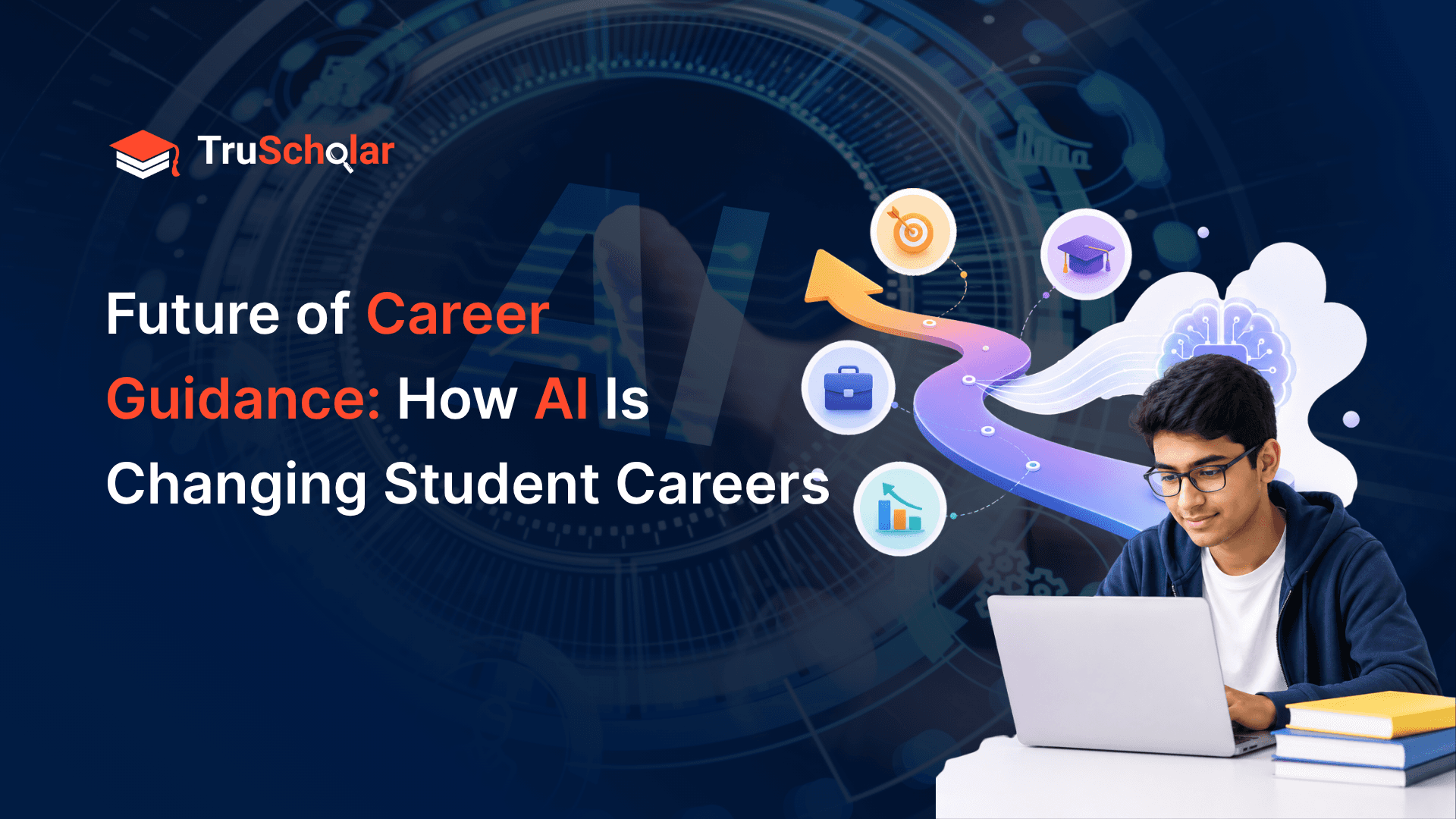
The career planning process is evolving rapidly as technology becomes a bigger part of education. An ai career guide for student is transforming how learners discover career opportunities, understand their strengths, and make informed decisions about their future professional journeys.
Why Traditional Career Guidance Is No Longer Enough
For decades, students have relied on teachers, counselors, and family members for career advice. While these sources remain valuable, they often struggle to keep pace with changing job markets, emerging industries, and evolving skill requirements.
Many students face uncertainty when selecting courses, certifications, or career paths because they have limited access to personalized guidance. Traditional counseling methods may also be constrained by time, resources, and access to current labor market information.
As industries continue to change due to digital transformation, students need career guidance that is personalized, data-driven, and continuously updated. This is where an ai career guide for student is creating a significant impact.
What Is an AI Career Guide for Student?
An ai career guide for student is an intelligent system that uses artificial intelligence to analyze a student's interests, skills, academic performance, personality traits, and career aspirations. Based on this information, it provides customized career recommendations and learning pathways.
Unlike traditional career assessments that offer static suggestions, AI-powered guidance systems continuously learn and improve through data analysis. They can evaluate thousands of career options, educational programs, and industry trends within seconds.
By combining predictive analytics with personalized recommendations, these platforms help students explore career opportunities that align with both their abilities and market demand.
How AI Is Transforming Career Planning
Artificial intelligence is making career guidance more accurate, accessible, and personalized than ever before. Students can now receive tailored recommendations based on real-world data rather than generalized assumptions.
Several factors contribute to the growing popularity of AI-powered career guidance:
AI systems analyze multiple data points including academic performance, interests, behavioral patterns, and skill assessments. This comprehensive evaluation helps students receive career recommendations that closely align with their strengths, preferences, and long-term professional goals.
Real-time labor market analysis allows AI platforms to identify growing industries and emerging job roles. Students gain valuable insights into future opportunities, helping them make educational choices that remain relevant in a competitive employment landscape.
Personalized learning recommendations guide students toward courses, certifications, and skill-development programs that support their chosen career paths. This targeted approach reduces confusion and helps learners focus on meaningful professional growth activities.
AI-powered assessments identify strengths and skill gaps with greater accuracy than traditional evaluation methods. Students receive detailed feedback that helps them understand areas for improvement while building confidence in their existing capabilities.
Continuous updates ensure recommendations evolve as industries change and new opportunities emerge. Unlike static career counseling reports, AI systems adapt their guidance based on current market conditions and workforce requirements.
Interactive career exploration tools encourage students to discover professions they may never have considered. By exposing learners to diverse opportunities, AI broadens career awareness and supports more informed decision-making.
Benefits of AI Career Guidance for Students
Students are increasingly seeking personalized support as they navigate educational and career decisions. An ai career guide for student offers several advantages that help simplify this complex process.
One of the biggest benefits is accessibility. Students can access career insights anytime and from anywhere, making guidance available beyond traditional counseling sessions.
AI also helps reduce uncertainty by providing evidence-based recommendations. Instead of relying solely on opinions or assumptions, students receive guidance supported by data and predictive analysis.
Additionally, personalized recommendations improve engagement because students are more likely to explore career paths that match their unique interests and capabilities.
How Educational Institutions Benefit from AI Career Guidance
Schools, colleges, and universities are increasingly adopting AI-powered career solutions to enhance student success and employability outcomes.
Educational institutions gain several important advantages through AI integration:
Career guidance becomes more scalable because AI systems can support thousands of students simultaneously. Institutions can provide personalized recommendations without significantly increasing counseling staff or administrative workloads.
Student engagement improves when learners receive career suggestions that align with their individual goals and interests. This often leads to higher participation in career development activities and academic planning initiatives.
Data-driven insights help institutions identify skill gaps across student populations. Educators can use this information to improve curriculum design and create programs that better prepare learners for future workforce demands.
Improved career outcomes strengthen institutional reputation by demonstrating a commitment to student success. Graduates who secure relevant employment contribute positively to long-term educational performance metrics and stakeholder confidence.
AI-generated reports provide valuable information about student aspirations and industry trends. Institutions can leverage these insights to establish stronger partnerships with employers and training organizations.
Enhanced support services enable counselors to focus on complex career discussions while AI handles routine assessments and recommendations. This creates a more efficient and impactful guidance process for students.
Challenges and Considerations
While AI offers tremendous potential, it should complement rather than replace human career counselors. Career decisions often involve personal values, emotional factors, and life circumstances that require human understanding and empathy.
Data privacy is another important consideration. Educational institutions must ensure that student information is collected, stored, and processed responsibly to maintain trust and compliance with privacy regulations.
The most effective approach combines AI-powered insights with professional counseling expertise. This balanced model allows students to benefit from both advanced technology and personalized human guidance.
The Future of Student Career Development
The future of career guidance will likely involve even deeper integration of artificial intelligence. Advanced systems may provide real-time career forecasting, personalized mentorship recommendations, and predictive insights based on global workforce trends.
As AI technology continues to improve, students will gain access to increasingly accurate and personalized guidance throughout their educational journey. This will help learners make better decisions about academics, skills development, internships, and career planning.
The growing adoption of an ai career guide for student reflects a broader shift toward personalized education and lifelong learning.
Conclusion
Career planning is becoming more complex as industries evolve and new opportunities emerge. An ai career guide for student helps learners navigate these challenges through personalized recommendations, real-time market insights, and data-driven career planning. As educational institutions and students embrace AI-powered guidance, the future of career development will become more informed, accessible, and aligned with the demands of a rapidly changing workforce.
The career planning process is evolving rapidly as technology becomes a bigger part of education. An ai career guide for student is transforming how learners discover career opportunities, understand their strengths, and make informed decisions about their future professional journeys.
Why Traditional Career Guidance Is No Longer Enough
For decades, students have relied on teachers, counselors, and family members for career advice. While these sources remain valuable, they often struggle to keep pace with changing job markets, emerging industries, and evolving skill requirements.
Many students face uncertainty when selecting courses, certifications, or career paths because they have limited access to personalized guidance. Traditional counseling methods may also be constrained by time, resources, and access to current labor market information.
As industries continue to change due to digital transformation, students need career guidance that is personalized, data-driven, and continuously updated. This is where an ai career guide for student is creating a significant impact.
What Is an AI Career Guide for Student?
An ai career guide for student is an intelligent system that uses artificial intelligence to analyze a student's interests, skills, academic performance, personality traits, and career aspirations. Based on this information, it provides customized career recommendations and learning pathways.
Unlike traditional career assessments that offer static suggestions, AI-powered guidance systems continuously learn and improve through data analysis. They can evaluate thousands of career options, educational programs, and industry trends within seconds.
By combining predictive analytics with personalized recommendations, these platforms help students explore career opportunities that align with both their abilities and market demand.
How AI Is Transforming Career Planning
Artificial intelligence is making career guidance more accurate, accessible, and personalized than ever before. Students can now receive tailored recommendations based on real-world data rather than generalized assumptions.
Several factors contribute to the growing popularity of AI-powered career guidance:
AI systems analyze multiple data points including academic performance, interests, behavioral patterns, and skill assessments. This comprehensive evaluation helps students receive career recommendations that closely align with their strengths, preferences, and long-term professional goals.
Real-time labor market analysis allows AI platforms to identify growing industries and emerging job roles. Students gain valuable insights into future opportunities, helping them make educational choices that remain relevant in a competitive employment landscape.
Personalized learning recommendations guide students toward courses, certifications, and skill-development programs that support their chosen career paths. This targeted approach reduces confusion and helps learners focus on meaningful professional growth activities.
AI-powered assessments identify strengths and skill gaps with greater accuracy than traditional evaluation methods. Students receive detailed feedback that helps them understand areas for improvement while building confidence in their existing capabilities.
Continuous updates ensure recommendations evolve as industries change and new opportunities emerge. Unlike static career counseling reports, AI systems adapt their guidance based on current market conditions and workforce requirements.
Interactive career exploration tools encourage students to discover professions they may never have considered. By exposing learners to diverse opportunities, AI broadens career awareness and supports more informed decision-making.
Benefits of AI Career Guidance for Students
Students are increasingly seeking personalized support as they navigate educational and career decisions. An ai career guide for student offers several advantages that help simplify this complex process.
One of the biggest benefits is accessibility. Students can access career insights anytime and from anywhere, making guidance available beyond traditional counseling sessions.
AI also helps reduce uncertainty by providing evidence-based recommendations. Instead of relying solely on opinions or assumptions, students receive guidance supported by data and predictive analysis.
Additionally, personalized recommendations improve engagement because students are more likely to explore career paths that match their unique interests and capabilities.
How Educational Institutions Benefit from AI Career Guidance
Schools, colleges, and universities are increasingly adopting AI-powered career solutions to enhance student success and employability outcomes.
Educational institutions gain several important advantages through AI integration:
Career guidance becomes more scalable because AI systems can support thousands of students simultaneously. Institutions can provide personalized recommendations without significantly increasing counseling staff or administrative workloads.
Student engagement improves when learners receive career suggestions that align with their individual goals and interests. This often leads to higher participation in career development activities and academic planning initiatives.
Data-driven insights help institutions identify skill gaps across student populations. Educators can use this information to improve curriculum design and create programs that better prepare learners for future workforce demands.
Improved career outcomes strengthen institutional reputation by demonstrating a commitment to student success. Graduates who secure relevant employment contribute positively to long-term educational performance metrics and stakeholder confidence.
AI-generated reports provide valuable information about student aspirations and industry trends. Institutions can leverage these insights to establish stronger partnerships with employers and training organizations.
Enhanced support services enable counselors to focus on complex career discussions while AI handles routine assessments and recommendations. This creates a more efficient and impactful guidance process for students.
Challenges and Considerations
While AI offers tremendous potential, it should complement rather than replace human career counselors. Career decisions often involve personal values, emotional factors, and life circumstances that require human understanding and empathy.
Data privacy is another important consideration. Educational institutions must ensure that student information is collected, stored, and processed responsibly to maintain trust and compliance with privacy regulations.
The most effective approach combines AI-powered insights with professional counseling expertise. This balanced model allows students to benefit from both advanced technology and personalized human guidance.
The Future of Student Career Development
The future of career guidance will likely involve even deeper integration of artificial intelligence. Advanced systems may provide real-time career forecasting, personalized mentorship recommendations, and predictive insights based on global workforce trends.
As AI technology continues to improve, students will gain access to increasingly accurate and personalized guidance throughout their educational journey. This will help learners make better decisions about academics, skills development, internships, and career planning.
The growing adoption of an ai career guide for student reflects a broader shift toward personalized education and lifelong learning.
Conclusion
Career planning is becoming more complex as industries evolve and new opportunities emerge. An ai career guide for student helps learners navigate these challenges through personalized recommendations, real-time market insights, and data-driven career planning. As educational institutions and students embrace AI-powered guidance, the future of career development will become more informed, accessible, and aligned with the demands of a rapidly changing workforce.
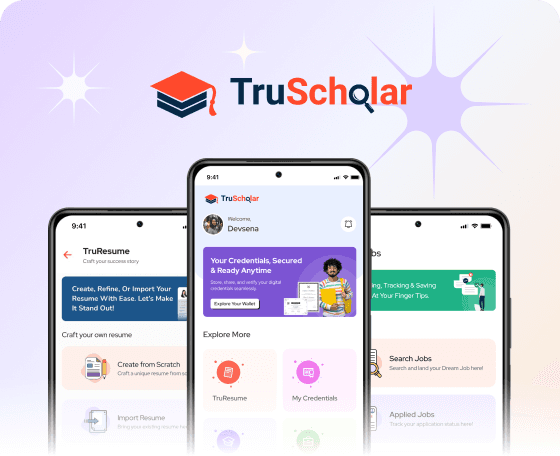
Unlock Your Career With the TruScholar AI Career Coach
Download The App Now


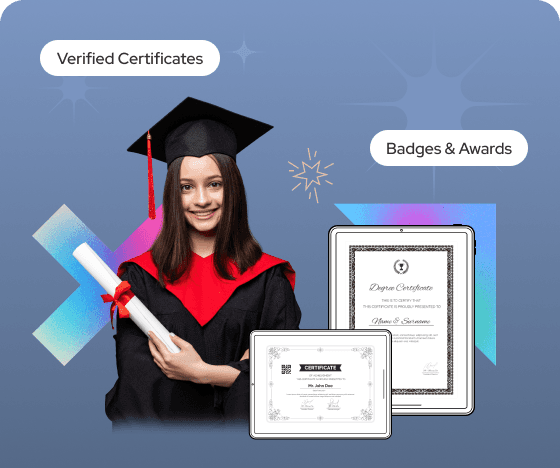
Issue Digital Credetials, Certificate, marksheet instant with Secure Blockchain Technology.
Read More Blogs
Read More Blogs
Read More Blogs
Blockchain
How Blockchain-Based Digital Certificates Prevent Fake Degrees
Ai career coach
Role of AI in Indian Education System
AI career coach
AI for Career Guidance in India: How Students Can Take Benefit of AI?
Ai Career coach
How AI Can Fix Learning Gaps in Indian Education
Ai career coach
AI Skills Indian Students Must Learn for Future Jobs
Ai career coach
The Impact of Artificial Intelligence on Education in India