Ai career coach
Ai career coach
Ai career coach
The Role of AI in Education and Learning
The Role of AI in Education and Learning
The Role of AI in Education and Learning
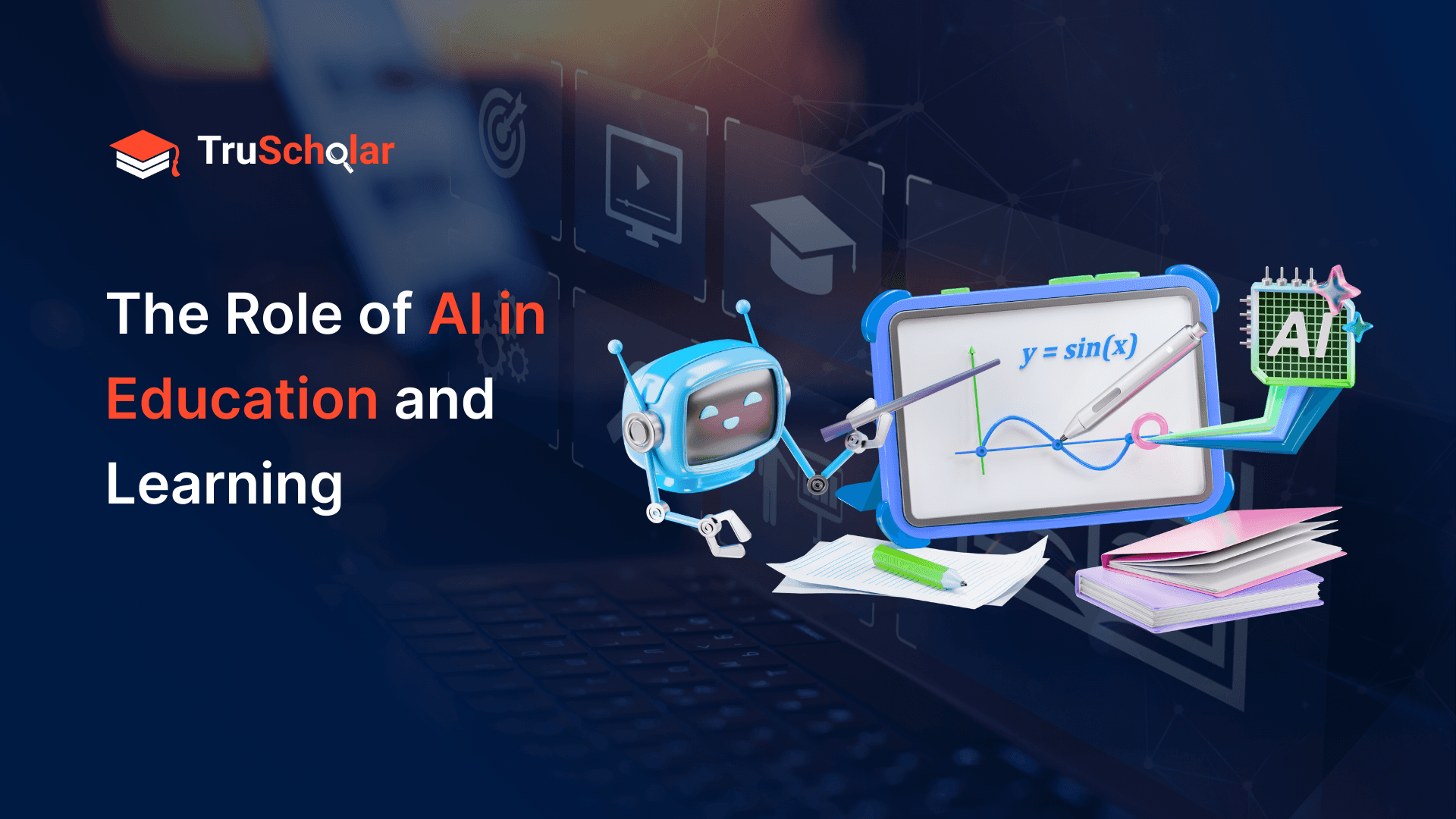
Education is evolving faster than ever. Classrooms are no longer limited to blackboards and textbooks. Digital platforms, smart devices, and online resources have already changed how students learn. Now, the role of ai in education and learning is taking this transformation even further.
Artificial intelligence is not replacing teachers. Instead, it is supporting them. AI systems help personalize lessons, track student performance, automate administrative tasks, and create more inclusive learning environments. From primary schools to universities, AI is reshaping how knowledge is delivered and absorbed.
Understanding the Expanding Role of AI in Education and Learning
The role of ai in education and learning goes beyond simple automation. It focuses on improving student outcomes through data-driven insights. AI tools analyze learning patterns, identify strengths and weaknesses, and adapt educational content to meet individual needs.
Traditional education often follows a one-size-fits-all approach. Every student receives the same instruction, regardless of pace or learning style. AI changes this by offering personalized pathways. If a student struggles with a topic, the system provides additional explanations or practice. If they excel, it introduces advanced material.
This adaptability makes learning more efficient and engaging.
Personalized Learning Experiences in Classrooms
One of the most visible examples of the role of ai in education and learning is personalized learning. AI-powered platforms assess student progress in real time and adjust lessons accordingly.
For example, in mathematics classes, AI tools can detect recurring mistakes in problem-solving. Instead of moving forward automatically, the system revisits specific concepts and provides targeted exercises.
This approach helps reduce knowledge gaps early. It also builds confidence because students are supported at their individual learning pace rather than compared constantly with peers.
Real Classroom Use Cases of AI
AI is already being used in classrooms around the world. Below are practical applications that demonstrate the growing impact of the role of ai in education and learning:
Automated grading systems that save teachers valuable time
AI tools evaluate multiple-choice tests, short answers, and even essays using structured assessment criteria, allowing teachers to focus more on instruction rather than repetitive administrative tasks.Adaptive learning platforms that personalize lesson difficulty levels
These systems adjust content complexity based on student performance, ensuring learners are neither overwhelmed nor under-challenged during lessons.AI-driven tutoring assistants for extra academic support
Virtual tutors provide explanations, answer student questions instantly, and offer practice exercises outside classroom hours, helping reinforce understanding.Speech-to-text and text-to-speech accessibility tools for diverse learners
AI supports students with disabilities by converting spoken words into text or reading digital materials aloud, promoting inclusive education.Predictive analytics to identify students at risk of falling behind
AI systems analyze attendance, grades, and participation patterns to detect early warning signs, enabling timely intervention by educators.Language translation tools in multilingual classrooms
AI-powered translation software helps students understand lessons delivered in different languages, improving comprehension in diverse learning environments.Smart content recommendations based on learning behavior
Educational platforms suggest additional resources such as videos, articles, or exercises aligned with each student’s learning needs.Virtual simulations for hands-on experiential learning
AI-powered simulations allow students to conduct virtual science experiments or explore complex environments safely and interactively.
Enhancing Teacher Efficiency and Effectiveness
The role of ai in education and learning is not limited to students. Teachers also benefit significantly. AI reduces time spent on grading, scheduling, and administrative reporting.
With automated insights into class performance, educators can quickly identify which topics require reinforcement. Instead of manually reviewing every assignment for trends, AI highlights patterns instantly.
This allows teachers to focus on creative instruction, mentoring, and student engagement rather than repetitive tasks.
Improving Student Engagement and Motivation
Engagement is a major challenge in modern classrooms. Distractions from digital devices and social media can reduce focus. AI-powered learning platforms often include gamification elements, interactive quizzes, and real-time feedback that make lessons more engaging.
When students receive instant responses and see measurable progress, motivation increases. The personalized nature of AI-supported learning also reduces frustration, which encourages continued effort.
Supporting Lifelong Learning Beyond the Classroom
The role of ai in education and learning extends beyond traditional schooling. Online courses, professional certifications, and skill-based training programs use AI to guide adult learners as well.
AI platforms recommend courses based on career goals, identify skill gaps, and track improvement. This makes lifelong learning more structured and accessible.
As industries evolve rapidly, continuous skill development becomes essential. AI helps learners adapt to changing demands without feeling overwhelmed.
Addressing Challenges and Ethical Considerations
While the benefits are significant, it is important to use AI responsibly. Data privacy, algorithm bias, and over-reliance on automation are concerns that educators must address.
AI should support human decision-making, not replace it. Teachers remain essential for emotional support, mentorship, and critical thinking development. Technology enhances learning, but human connection remains at the heart of education.
The Future of AI in Education
The future of the role of ai in education and learning looks promising. As AI systems become more advanced, they will offer deeper insights into learning behaviors and even more personalized educational pathways.
Classrooms will likely integrate AI tools seamlessly into daily instruction. Virtual reality simulations, intelligent tutoring systems, and predictive analytics will become standard features in many institutions.
Ultimately, AI’s purpose in education is not to replace traditional methods but to strengthen them. By combining human teaching expertise with intelligent technology, education can become more inclusive, efficient, and effective for learners of all backgrounds.
Education is evolving faster than ever. Classrooms are no longer limited to blackboards and textbooks. Digital platforms, smart devices, and online resources have already changed how students learn. Now, the role of ai in education and learning is taking this transformation even further.
Artificial intelligence is not replacing teachers. Instead, it is supporting them. AI systems help personalize lessons, track student performance, automate administrative tasks, and create more inclusive learning environments. From primary schools to universities, AI is reshaping how knowledge is delivered and absorbed.
Understanding the Expanding Role of AI in Education and Learning
The role of ai in education and learning goes beyond simple automation. It focuses on improving student outcomes through data-driven insights. AI tools analyze learning patterns, identify strengths and weaknesses, and adapt educational content to meet individual needs.
Traditional education often follows a one-size-fits-all approach. Every student receives the same instruction, regardless of pace or learning style. AI changes this by offering personalized pathways. If a student struggles with a topic, the system provides additional explanations or practice. If they excel, it introduces advanced material.
This adaptability makes learning more efficient and engaging.
Personalized Learning Experiences in Classrooms
One of the most visible examples of the role of ai in education and learning is personalized learning. AI-powered platforms assess student progress in real time and adjust lessons accordingly.
For example, in mathematics classes, AI tools can detect recurring mistakes in problem-solving. Instead of moving forward automatically, the system revisits specific concepts and provides targeted exercises.
This approach helps reduce knowledge gaps early. It also builds confidence because students are supported at their individual learning pace rather than compared constantly with peers.
Real Classroom Use Cases of AI
AI is already being used in classrooms around the world. Below are practical applications that demonstrate the growing impact of the role of ai in education and learning:
Automated grading systems that save teachers valuable time
AI tools evaluate multiple-choice tests, short answers, and even essays using structured assessment criteria, allowing teachers to focus more on instruction rather than repetitive administrative tasks.Adaptive learning platforms that personalize lesson difficulty levels
These systems adjust content complexity based on student performance, ensuring learners are neither overwhelmed nor under-challenged during lessons.AI-driven tutoring assistants for extra academic support
Virtual tutors provide explanations, answer student questions instantly, and offer practice exercises outside classroom hours, helping reinforce understanding.Speech-to-text and text-to-speech accessibility tools for diverse learners
AI supports students with disabilities by converting spoken words into text or reading digital materials aloud, promoting inclusive education.Predictive analytics to identify students at risk of falling behind
AI systems analyze attendance, grades, and participation patterns to detect early warning signs, enabling timely intervention by educators.Language translation tools in multilingual classrooms
AI-powered translation software helps students understand lessons delivered in different languages, improving comprehension in diverse learning environments.Smart content recommendations based on learning behavior
Educational platforms suggest additional resources such as videos, articles, or exercises aligned with each student’s learning needs.Virtual simulations for hands-on experiential learning
AI-powered simulations allow students to conduct virtual science experiments or explore complex environments safely and interactively.
Enhancing Teacher Efficiency and Effectiveness
The role of ai in education and learning is not limited to students. Teachers also benefit significantly. AI reduces time spent on grading, scheduling, and administrative reporting.
With automated insights into class performance, educators can quickly identify which topics require reinforcement. Instead of manually reviewing every assignment for trends, AI highlights patterns instantly.
This allows teachers to focus on creative instruction, mentoring, and student engagement rather than repetitive tasks.
Improving Student Engagement and Motivation
Engagement is a major challenge in modern classrooms. Distractions from digital devices and social media can reduce focus. AI-powered learning platforms often include gamification elements, interactive quizzes, and real-time feedback that make lessons more engaging.
When students receive instant responses and see measurable progress, motivation increases. The personalized nature of AI-supported learning also reduces frustration, which encourages continued effort.
Supporting Lifelong Learning Beyond the Classroom
The role of ai in education and learning extends beyond traditional schooling. Online courses, professional certifications, and skill-based training programs use AI to guide adult learners as well.
AI platforms recommend courses based on career goals, identify skill gaps, and track improvement. This makes lifelong learning more structured and accessible.
As industries evolve rapidly, continuous skill development becomes essential. AI helps learners adapt to changing demands without feeling overwhelmed.
Addressing Challenges and Ethical Considerations
While the benefits are significant, it is important to use AI responsibly. Data privacy, algorithm bias, and over-reliance on automation are concerns that educators must address.
AI should support human decision-making, not replace it. Teachers remain essential for emotional support, mentorship, and critical thinking development. Technology enhances learning, but human connection remains at the heart of education.
The Future of AI in Education
The future of the role of ai in education and learning looks promising. As AI systems become more advanced, they will offer deeper insights into learning behaviors and even more personalized educational pathways.
Classrooms will likely integrate AI tools seamlessly into daily instruction. Virtual reality simulations, intelligent tutoring systems, and predictive analytics will become standard features in many institutions.
Ultimately, AI’s purpose in education is not to replace traditional methods but to strengthen them. By combining human teaching expertise with intelligent technology, education can become more inclusive, efficient, and effective for learners of all backgrounds.