AI
AI
AI
Career Planning with AI: ChatGPT and Beyond
Career Planning with AI: ChatGPT and Beyond
Career Planning with AI: ChatGPT and Beyond
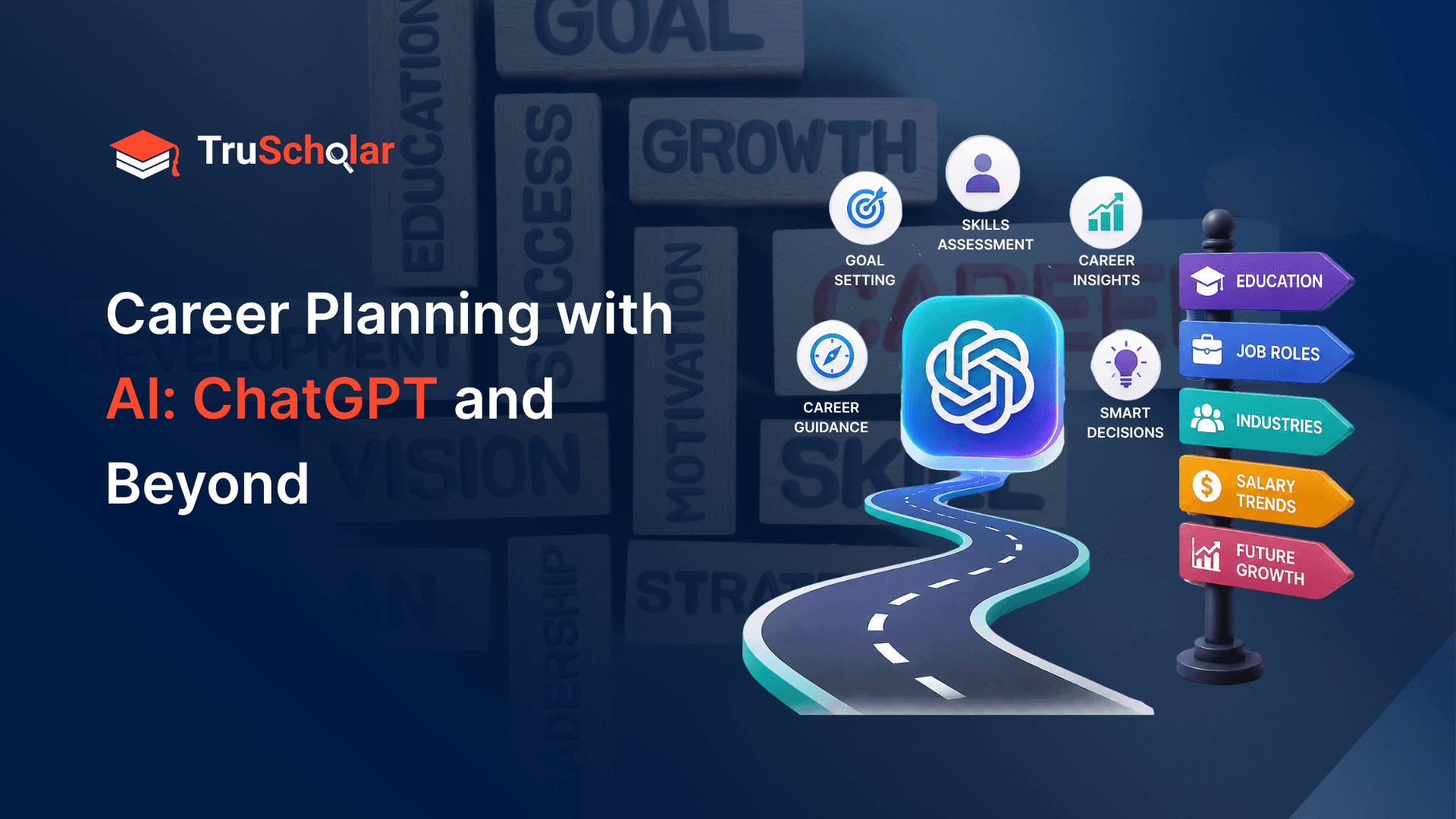
Career decisions have become more complex as industries evolve, new job roles emerge, and skill requirements change rapidly. Career planning with ai is helping students and professionals navigate these challenges by providing personalized insights, skill recommendations, and data-driven guidance for long-term career success.
The Changing Landscape of Career Planning
Traditional career planning often relied on career counselors, aptitude tests, and personal research. While these methods continue to provide value, they may not always keep pace with the fast-changing demands of today's job market.
Students and professionals now face thousands of career options across industries that are constantly evolving. Understanding which skills are required, what opportunities are growing, and how to prepare for future roles can be overwhelming.
This is where career planning with ai is making a significant difference by helping individuals make informed decisions based on real-time data and personalized recommendations.
What Is Career Planning with AI?
Career planning with ai refers to the use of artificial intelligence technologies to assist individuals in evaluating career options, identifying skill gaps, exploring learning opportunities, and developing professional growth strategies.
AI-powered platforms analyze various factors such as educational background, interests, skills, personality traits, market trends, and career goals. Based on this analysis, they provide recommendations that help users make better career decisions.
Tools like ChatGPT and other AI-driven career platforms are making professional guidance more accessible, personalized, and efficient than ever before.
How ChatGPT Supports Career Development
AI-powered conversational tools have transformed the way individuals seek career advice and professional guidance. ChatGPT can assist users in exploring career paths, preparing for interviews, improving resumes, and understanding industry trends.
Its ability to provide immediate responses and personalized recommendations makes it a valuable resource for career development activities.
Several ways ChatGPT contributes to career planning include:
ChatGPT helps users explore different career options by providing information about job roles, required qualifications, industry expectations, and future opportunities. This allows individuals to make more informed decisions when evaluating potential career paths.
Personalized career discussions enable users to ask specific questions about education, skills, certifications, and professional development. The interactive nature of AI-powered conversations creates a more engaging career exploration experience.
Resume and cover letter support helps candidates improve professional documents by identifying weaknesses, suggesting improvements, and tailoring content to specific industries or job opportunities.
Interview preparation becomes more effective through mock interview sessions and practice questions. Users can develop stronger communication skills while gaining confidence in responding to recruiter inquiries.
AI-generated learning recommendations guide individuals toward courses, certifications, and educational resources that align with their professional goals and desired career outcomes.
Continuous accessibility allows users to receive career guidance whenever needed. Unlike traditional counseling appointments, AI-powered tools can provide support at any time and from virtually any location.
Beyond ChatGPT: Other AI Tools Shaping Career Planning
While ChatGPT has gained significant popularity, many other AI-powered platforms are contributing to career development and workforce readiness.
These technologies leverage machine learning, predictive analytics, and data intelligence to provide advanced career insights and recommendations.
Some important ways AI platforms are transforming career planning include:
Predictive analytics identify emerging industries and growing job roles by analyzing labor market trends. This information helps individuals prepare for future opportunities and make strategic decisions about skill development.
AI-driven skill assessments evaluate competencies and identify areas for improvement. Personalized reports help users understand their strengths while creating targeted development plans for career advancement.
Learning platforms use artificial intelligence to recommend customized educational pathways. These recommendations align training opportunities with individual career goals and market demand for specific skills.
Professional networking tools leverage AI to connect users with relevant mentors, employers, and industry professionals. Stronger networking opportunities often lead to improved career growth and employment outcomes.
Workforce intelligence platforms provide detailed insights into salary trends, hiring patterns, and industry requirements. Access to this information supports more informed career planning decisions.
Personalized job-matching systems analyze qualifications and preferences to identify suitable employment opportunities. This improves job search efficiency while increasing the likelihood of successful career placements.
Benefits of Career Planning with AI
The growing popularity of AI-powered career guidance is driven by several important advantages that benefit students, graduates, and working professionals.
One of the most significant benefits is personalization. AI systems analyze individual data to provide recommendations tailored to unique interests, skills, and career aspirations.
Another advantage is accessibility. Career guidance becomes available to a broader audience regardless of geographical location, educational background, or financial limitations.
Career planning with ai also improves decision-making by incorporating real-time labor market information and industry insights that may not always be available through traditional counseling methods.
Challenges and Limitations
Despite its many advantages, AI should not be viewed as a complete replacement for human career counselors. Career decisions often involve emotional considerations, personal values, and life circumstances that require human understanding and empathy.
AI systems are only as effective as the data they analyze. Inaccurate or incomplete information may affect the quality of recommendations provided to users.
The most effective approach combines AI-powered insights with human expertise. This balanced strategy allows individuals to benefit from technology while receiving personalized guidance and support.
The Future of Career Planning with AI
Artificial intelligence is expected to play an increasingly important role in education, workforce development, and professional growth. Future career planning tools may offer advanced predictive modeling, personalized mentorship matching, and immersive virtual career exploration experiences.
As AI technology continues to evolve, individuals will gain access to more accurate and comprehensive guidance throughout their career journeys. Educational institutions and employers are also likely to integrate AI-powered solutions into their talent development strategies.
The continued advancement of career planning with ai will help create a more informed, adaptable, and future-ready workforce.
Conclusion
The career landscape is changing rapidly, making informed decision-making more important than ever. Career planning with ai provides personalized guidance, skill recommendations, and valuable market insights that help students and professionals navigate complex career choices. As tools like ChatGPT and other AI-powered platforms continue to evolve, career planning with ai will become an essential resource for building successful and sustainable professional careers.
Career decisions have become more complex as industries evolve, new job roles emerge, and skill requirements change rapidly. Career planning with ai is helping students and professionals navigate these challenges by providing personalized insights, skill recommendations, and data-driven guidance for long-term career success.
The Changing Landscape of Career Planning
Traditional career planning often relied on career counselors, aptitude tests, and personal research. While these methods continue to provide value, they may not always keep pace with the fast-changing demands of today's job market.
Students and professionals now face thousands of career options across industries that are constantly evolving. Understanding which skills are required, what opportunities are growing, and how to prepare for future roles can be overwhelming.
This is where career planning with ai is making a significant difference by helping individuals make informed decisions based on real-time data and personalized recommendations.
What Is Career Planning with AI?
Career planning with ai refers to the use of artificial intelligence technologies to assist individuals in evaluating career options, identifying skill gaps, exploring learning opportunities, and developing professional growth strategies.
AI-powered platforms analyze various factors such as educational background, interests, skills, personality traits, market trends, and career goals. Based on this analysis, they provide recommendations that help users make better career decisions.
Tools like ChatGPT and other AI-driven career platforms are making professional guidance more accessible, personalized, and efficient than ever before.
How ChatGPT Supports Career Development
AI-powered conversational tools have transformed the way individuals seek career advice and professional guidance. ChatGPT can assist users in exploring career paths, preparing for interviews, improving resumes, and understanding industry trends.
Its ability to provide immediate responses and personalized recommendations makes it a valuable resource for career development activities.
Several ways ChatGPT contributes to career planning include:
ChatGPT helps users explore different career options by providing information about job roles, required qualifications, industry expectations, and future opportunities. This allows individuals to make more informed decisions when evaluating potential career paths.
Personalized career discussions enable users to ask specific questions about education, skills, certifications, and professional development. The interactive nature of AI-powered conversations creates a more engaging career exploration experience.
Resume and cover letter support helps candidates improve professional documents by identifying weaknesses, suggesting improvements, and tailoring content to specific industries or job opportunities.
Interview preparation becomes more effective through mock interview sessions and practice questions. Users can develop stronger communication skills while gaining confidence in responding to recruiter inquiries.
AI-generated learning recommendations guide individuals toward courses, certifications, and educational resources that align with their professional goals and desired career outcomes.
Continuous accessibility allows users to receive career guidance whenever needed. Unlike traditional counseling appointments, AI-powered tools can provide support at any time and from virtually any location.
Beyond ChatGPT: Other AI Tools Shaping Career Planning
While ChatGPT has gained significant popularity, many other AI-powered platforms are contributing to career development and workforce readiness.
These technologies leverage machine learning, predictive analytics, and data intelligence to provide advanced career insights and recommendations.
Some important ways AI platforms are transforming career planning include:
Predictive analytics identify emerging industries and growing job roles by analyzing labor market trends. This information helps individuals prepare for future opportunities and make strategic decisions about skill development.
AI-driven skill assessments evaluate competencies and identify areas for improvement. Personalized reports help users understand their strengths while creating targeted development plans for career advancement.
Learning platforms use artificial intelligence to recommend customized educational pathways. These recommendations align training opportunities with individual career goals and market demand for specific skills.
Professional networking tools leverage AI to connect users with relevant mentors, employers, and industry professionals. Stronger networking opportunities often lead to improved career growth and employment outcomes.
Workforce intelligence platforms provide detailed insights into salary trends, hiring patterns, and industry requirements. Access to this information supports more informed career planning decisions.
Personalized job-matching systems analyze qualifications and preferences to identify suitable employment opportunities. This improves job search efficiency while increasing the likelihood of successful career placements.
Benefits of Career Planning with AI
The growing popularity of AI-powered career guidance is driven by several important advantages that benefit students, graduates, and working professionals.
One of the most significant benefits is personalization. AI systems analyze individual data to provide recommendations tailored to unique interests, skills, and career aspirations.
Another advantage is accessibility. Career guidance becomes available to a broader audience regardless of geographical location, educational background, or financial limitations.
Career planning with ai also improves decision-making by incorporating real-time labor market information and industry insights that may not always be available through traditional counseling methods.
Challenges and Limitations
Despite its many advantages, AI should not be viewed as a complete replacement for human career counselors. Career decisions often involve emotional considerations, personal values, and life circumstances that require human understanding and empathy.
AI systems are only as effective as the data they analyze. Inaccurate or incomplete information may affect the quality of recommendations provided to users.
The most effective approach combines AI-powered insights with human expertise. This balanced strategy allows individuals to benefit from technology while receiving personalized guidance and support.
The Future of Career Planning with AI
Artificial intelligence is expected to play an increasingly important role in education, workforce development, and professional growth. Future career planning tools may offer advanced predictive modeling, personalized mentorship matching, and immersive virtual career exploration experiences.
As AI technology continues to evolve, individuals will gain access to more accurate and comprehensive guidance throughout their career journeys. Educational institutions and employers are also likely to integrate AI-powered solutions into their talent development strategies.
The continued advancement of career planning with ai will help create a more informed, adaptable, and future-ready workforce.
Conclusion
The career landscape is changing rapidly, making informed decision-making more important than ever. Career planning with ai provides personalized guidance, skill recommendations, and valuable market insights that help students and professionals navigate complex career choices. As tools like ChatGPT and other AI-powered platforms continue to evolve, career planning with ai will become an essential resource for building successful and sustainable professional careers.
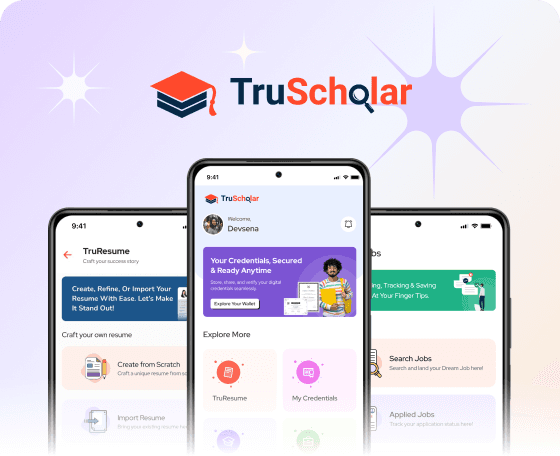
Unlock Your Career With the TruScholar AI Career Coach
Download The App Now


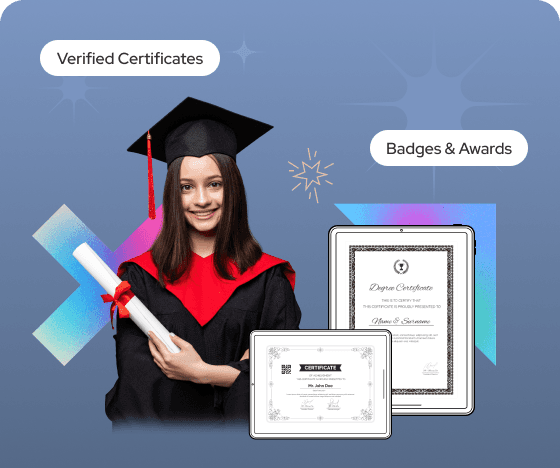
Issue Digital Credetials, Certificate, marksheet instant with Secure Blockchain Technology.
Read More Blogs
Read More Blogs
Read More Blogs
AI
How AI Is Reshaping Early Careers: Employer & Graduate Perspectives
Digital Badges
How to Use Digital Badges and Microcredentials in Career Portfolios
Digital Certificates
How Universities Can Digitize Their Certificate Issuance Process
Digital Credentials
How Digital Credentials Improve Student Employability
AI
How AI Improves Communication Skills for Interviews
AI
Future of Career Guidance: How AI Is Changing Student Careers
AI
How AI Is Reshaping Early Careers: Employer & Graduate Perspectives
Digital Badges
How to Use Digital Badges and Microcredentials in Career Portfolios
Digital Certificates
How Universities Can Digitize Their Certificate Issuance Process
Digital Credentials
How Digital Credentials Improve Student Employability
AI
How AI Is Reshaping Early Careers: Employer & Graduate Perspectives
Digital Badges
How to Use Digital Badges and Microcredentials in Career Portfolios
Digital Certificates
How Universities Can Digitize Their Certificate Issuance Process
Digital Credentials
How Digital Credentials Improve Student Employability