Digital Credentials
Digital Credentials
Digital Credentials
How Digital Credentials Improve Student Employability
How Digital Credentials Improve Student Employability
How Digital Credentials Improve Student Employability
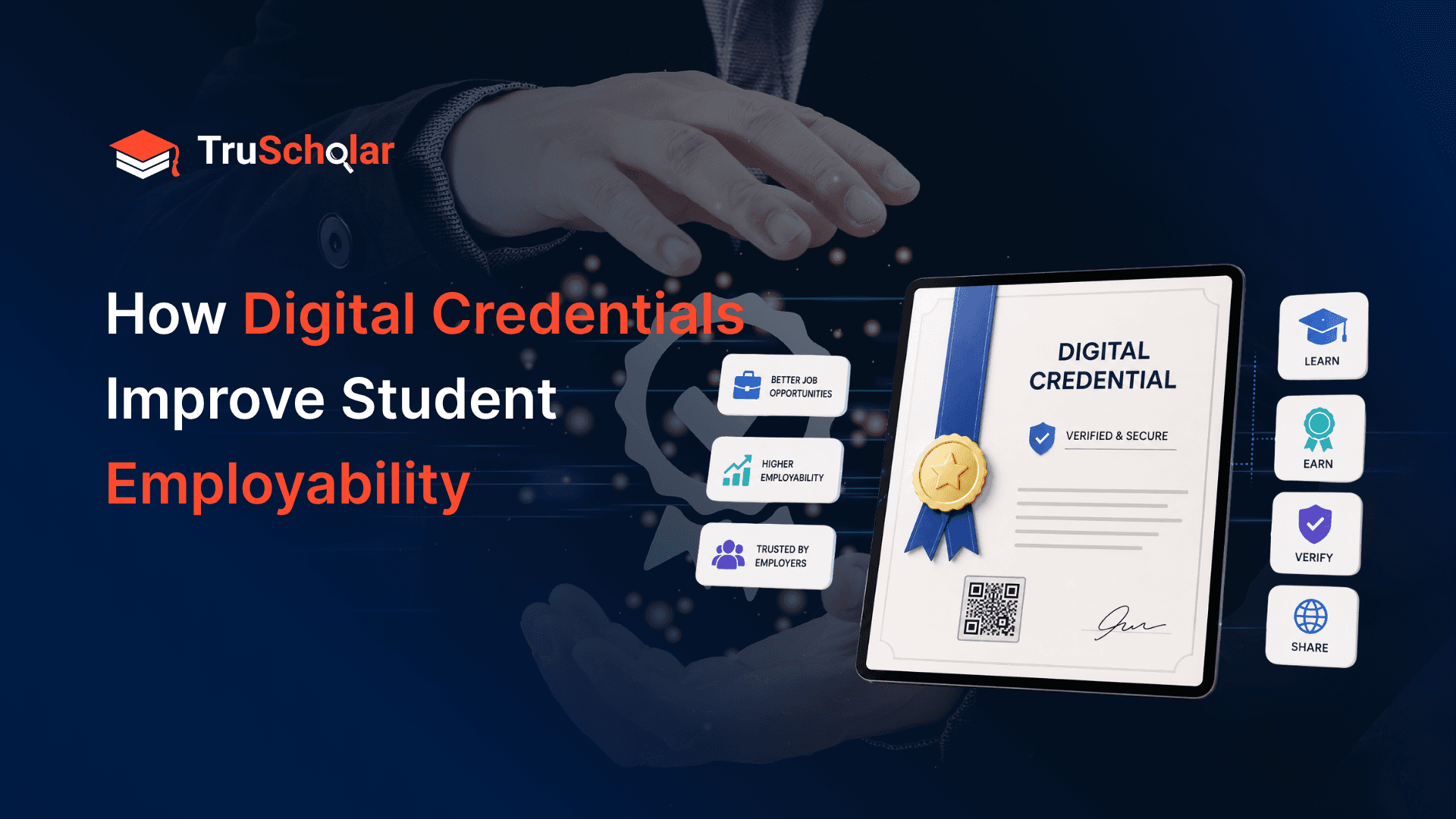
Students today face a highly competitive job market where academic qualifications alone are often not enough to stand out. Digital credentials for student employability are helping learners showcase verified skills, achievements, and competencies while making it easier for employers to evaluate candidates efficiently.
Understanding the Growing Importance of Employability
Employability has become a major focus for educational institutions, employers, and students. Organizations are no longer looking only at degrees and academic scores. They want evidence of practical skills, industry knowledge, certifications, and continuous learning.
Traditional paper certificates can be difficult to verify and share, especially during digital recruitment processes. Recruiters often spend significant time validating qualifications before making hiring decisions.
As hiring practices continue to evolve, digital credentials for student employability are emerging as a valuable solution that bridges the gap between education and employment.
What Are Digital Credentials?
Digital credentials are secure, verifiable, and shareable representations of a student's academic achievements, certifications, skills, training programs, and professional accomplishments. Unlike traditional paper certificates, digital credentials can be stored, accessed, and shared electronically.
These credentials often include detailed information about what a learner has accomplished, the competencies they have gained, and the institution or organization that issued the credential.
Many modern digital credentials also include verification features that allow employers to instantly confirm authenticity without contacting the issuing institution directly.
How Digital Credentials Support Student Employability
Digital credentials provide students with a modern way to demonstrate their capabilities to potential employers. They help create a more complete picture of a candidate's qualifications beyond traditional academic records.
Several factors contribute to the growing value of digital credentials in career development:
Digital credentials provide verified proof of skills and achievements that employers can trust. This transparency helps students demonstrate their qualifications more effectively while reducing concerns related to fraudulent certificates or inaccurate credential claims.
Students can easily share credentials through email, professional networking platforms, digital portfolios, and job applications. This accessibility improves visibility and allows recruiters to review verified accomplishments without lengthy verification procedures.
Detailed credential information highlights specific competencies acquired through courses, certifications, internships, and training programs. Employers gain a clearer understanding of a candidate's capabilities, helping them make more informed hiring decisions.
Digital credentials support lifelong learning by allowing students to continuously add new achievements and certifications. This creates a dynamic professional profile that reflects ongoing skill development and career growth.
Secure verification mechanisms help employers confirm credential authenticity instantly. Faster verification processes streamline recruitment workflows and increase confidence in candidate qualifications during the hiring process.
Portable digital records enable students to access and share their achievements globally. This flexibility is particularly valuable for individuals applying to international employers, universities, or professional development programs.
Why Employers Value Digital Credentials
Recruiters increasingly rely on digital tools to identify qualified candidates and accelerate hiring decisions. Digital credentials align perfectly with these evolving recruitment practices.
Employers appreciate credentials that provide clear evidence of specific skills rather than simply listing educational qualifications. This helps them assess whether a candidate possesses the competencies required for a particular role.
Additionally, verified credentials reduce hiring risks by ensuring that academic achievements and certifications are genuine. This creates greater trust between employers and job applicants.
As organizations embrace digital recruitment, digital credentials for student employability are becoming an important component of modern talent acquisition strategies.
Benefits for Educational Institutions
Educational institutions are also experiencing significant advantages through the adoption of digital credentialing systems.
Key benefits include:
Enhanced graduate outcomes allow institutions to demonstrate the real-world value of their educational programs. Verified credentials help showcase student achievements and strengthen connections between academic learning and workforce readiness.
Improved credential management reduces administrative burdens associated with printing, distributing, and verifying traditional certificates. Digital systems streamline operations while improving efficiency across credential issuance and verification processes.
Greater visibility of student achievements enhances institutional reputation among employers and industry partners. Organizations can easily evaluate graduates' competencies, increasing confidence in the quality of educational programs.
Data-driven insights help institutions understand skill development trends and employment outcomes. This information supports curriculum improvements that better align educational offerings with evolving workforce requirements.
Stronger employer engagement becomes possible through seamless credential verification and skill-based hiring initiatives. Institutions can build valuable partnerships that support internships, placements, and career development opportunities.
Increased accessibility ensures that students can access their credentials anytime and from anywhere. This convenience improves learner experiences while supporting long-term professional mobility and career advancement.
The Role of Digital Credentials in Skill-Based Hiring
Many employers are shifting toward skill-based hiring practices rather than relying exclusively on degrees and academic qualifications. This trend is creating new opportunities for candidates who can clearly demonstrate their abilities.
Digital credentials help support this transition by providing evidence of specific competencies acquired through education, training, and professional development activities.
Recruiters can quickly identify candidates with relevant technical skills, industry certifications, leadership experience, or specialized training. This allows organizations to focus on actual capabilities rather than relying solely on traditional qualification measures.
As skill-based recruitment becomes more common, digital credentials for student employability will play an increasingly important role in connecting learners with career opportunities.
Challenges and Future Opportunities
Although digital credentials offer many benefits, widespread adoption still requires standardization, awareness, and technological integration across institutions and employers.
Some organizations may need time to adapt their recruitment processes and verification systems. However, growing demand for secure, portable, and verifiable credentials is accelerating adoption across industries.
Future advancements may include blockchain-based verification, AI-powered credential analysis, and enhanced integration with recruitment platforms. These developments will further strengthen the value of digital credentials in workforce development.
Conclusion
The modern job market demands more than traditional academic qualifications. Digital credentials for student employability provide verified evidence of skills, achievements, and continuous learning while simplifying credential sharing and verification. As employers increasingly prioritize skill-based hiring and digital recruitment, digital credentials for student employability will continue to help students improve visibility, build credibility, and access better career opportunities.
Students today face a highly competitive job market where academic qualifications alone are often not enough to stand out. Digital credentials for student employability are helping learners showcase verified skills, achievements, and competencies while making it easier for employers to evaluate candidates efficiently.
Understanding the Growing Importance of Employability
Employability has become a major focus for educational institutions, employers, and students. Organizations are no longer looking only at degrees and academic scores. They want evidence of practical skills, industry knowledge, certifications, and continuous learning.
Traditional paper certificates can be difficult to verify and share, especially during digital recruitment processes. Recruiters often spend significant time validating qualifications before making hiring decisions.
As hiring practices continue to evolve, digital credentials for student employability are emerging as a valuable solution that bridges the gap between education and employment.
What Are Digital Credentials?
Digital credentials are secure, verifiable, and shareable representations of a student's academic achievements, certifications, skills, training programs, and professional accomplishments. Unlike traditional paper certificates, digital credentials can be stored, accessed, and shared electronically.
These credentials often include detailed information about what a learner has accomplished, the competencies they have gained, and the institution or organization that issued the credential.
Many modern digital credentials also include verification features that allow employers to instantly confirm authenticity without contacting the issuing institution directly.
How Digital Credentials Support Student Employability
Digital credentials provide students with a modern way to demonstrate their capabilities to potential employers. They help create a more complete picture of a candidate's qualifications beyond traditional academic records.
Several factors contribute to the growing value of digital credentials in career development:
Digital credentials provide verified proof of skills and achievements that employers can trust. This transparency helps students demonstrate their qualifications more effectively while reducing concerns related to fraudulent certificates or inaccurate credential claims.
Students can easily share credentials through email, professional networking platforms, digital portfolios, and job applications. This accessibility improves visibility and allows recruiters to review verified accomplishments without lengthy verification procedures.
Detailed credential information highlights specific competencies acquired through courses, certifications, internships, and training programs. Employers gain a clearer understanding of a candidate's capabilities, helping them make more informed hiring decisions.
Digital credentials support lifelong learning by allowing students to continuously add new achievements and certifications. This creates a dynamic professional profile that reflects ongoing skill development and career growth.
Secure verification mechanisms help employers confirm credential authenticity instantly. Faster verification processes streamline recruitment workflows and increase confidence in candidate qualifications during the hiring process.
Portable digital records enable students to access and share their achievements globally. This flexibility is particularly valuable for individuals applying to international employers, universities, or professional development programs.
Why Employers Value Digital Credentials
Recruiters increasingly rely on digital tools to identify qualified candidates and accelerate hiring decisions. Digital credentials align perfectly with these evolving recruitment practices.
Employers appreciate credentials that provide clear evidence of specific skills rather than simply listing educational qualifications. This helps them assess whether a candidate possesses the competencies required for a particular role.
Additionally, verified credentials reduce hiring risks by ensuring that academic achievements and certifications are genuine. This creates greater trust between employers and job applicants.
As organizations embrace digital recruitment, digital credentials for student employability are becoming an important component of modern talent acquisition strategies.
Benefits for Educational Institutions
Educational institutions are also experiencing significant advantages through the adoption of digital credentialing systems.
Key benefits include:
Enhanced graduate outcomes allow institutions to demonstrate the real-world value of their educational programs. Verified credentials help showcase student achievements and strengthen connections between academic learning and workforce readiness.
Improved credential management reduces administrative burdens associated with printing, distributing, and verifying traditional certificates. Digital systems streamline operations while improving efficiency across credential issuance and verification processes.
Greater visibility of student achievements enhances institutional reputation among employers and industry partners. Organizations can easily evaluate graduates' competencies, increasing confidence in the quality of educational programs.
Data-driven insights help institutions understand skill development trends and employment outcomes. This information supports curriculum improvements that better align educational offerings with evolving workforce requirements.
Stronger employer engagement becomes possible through seamless credential verification and skill-based hiring initiatives. Institutions can build valuable partnerships that support internships, placements, and career development opportunities.
Increased accessibility ensures that students can access their credentials anytime and from anywhere. This convenience improves learner experiences while supporting long-term professional mobility and career advancement.
The Role of Digital Credentials in Skill-Based Hiring
Many employers are shifting toward skill-based hiring practices rather than relying exclusively on degrees and academic qualifications. This trend is creating new opportunities for candidates who can clearly demonstrate their abilities.
Digital credentials help support this transition by providing evidence of specific competencies acquired through education, training, and professional development activities.
Recruiters can quickly identify candidates with relevant technical skills, industry certifications, leadership experience, or specialized training. This allows organizations to focus on actual capabilities rather than relying solely on traditional qualification measures.
As skill-based recruitment becomes more common, digital credentials for student employability will play an increasingly important role in connecting learners with career opportunities.
Challenges and Future Opportunities
Although digital credentials offer many benefits, widespread adoption still requires standardization, awareness, and technological integration across institutions and employers.
Some organizations may need time to adapt their recruitment processes and verification systems. However, growing demand for secure, portable, and verifiable credentials is accelerating adoption across industries.
Future advancements may include blockchain-based verification, AI-powered credential analysis, and enhanced integration with recruitment platforms. These developments will further strengthen the value of digital credentials in workforce development.
Conclusion
The modern job market demands more than traditional academic qualifications. Digital credentials for student employability provide verified evidence of skills, achievements, and continuous learning while simplifying credential sharing and verification. As employers increasingly prioritize skill-based hiring and digital recruitment, digital credentials for student employability will continue to help students improve visibility, build credibility, and access better career opportunities.
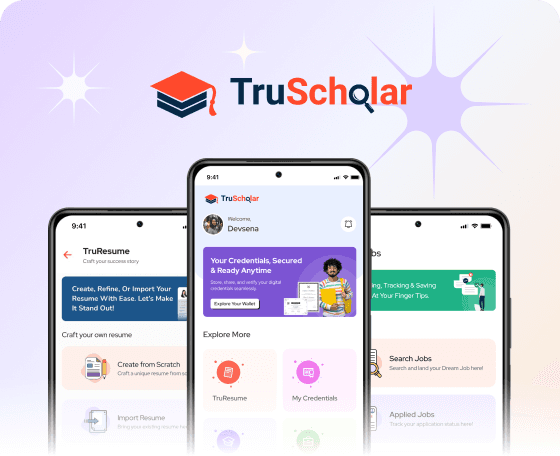
Unlock Your Career With the TruScholar AI Career Coach
Download The App Now


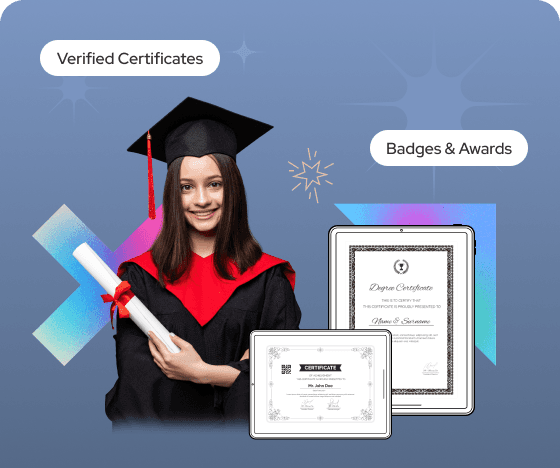
Issue Digital Credetials, Certificate, marksheet instant with Secure Blockchain Technology.
Read More Blogs
Read More Blogs
Read More Blogs
AI
How AI Is Reshaping Early Careers: Employer & Graduate Perspectives
AI
Career Planning with AI: ChatGPT and Beyond
Digital Badges
How to Use Digital Badges and Microcredentials in Career Portfolios
Digital Certificates
How Universities Can Digitize Their Certificate Issuance Process
AI
How AI Improves Communication Skills for Interviews
AI
Future of Career Guidance: How AI Is Changing Student Careers