Digital Badges
Digital Badges
Digital Badges
How to Use Digital Badges and Microcredentials in Career Portfolios
How to Use Digital Badges and Microcredentials in Career Portfolios
How to Use Digital Badges and Microcredentials in Career Portfolios
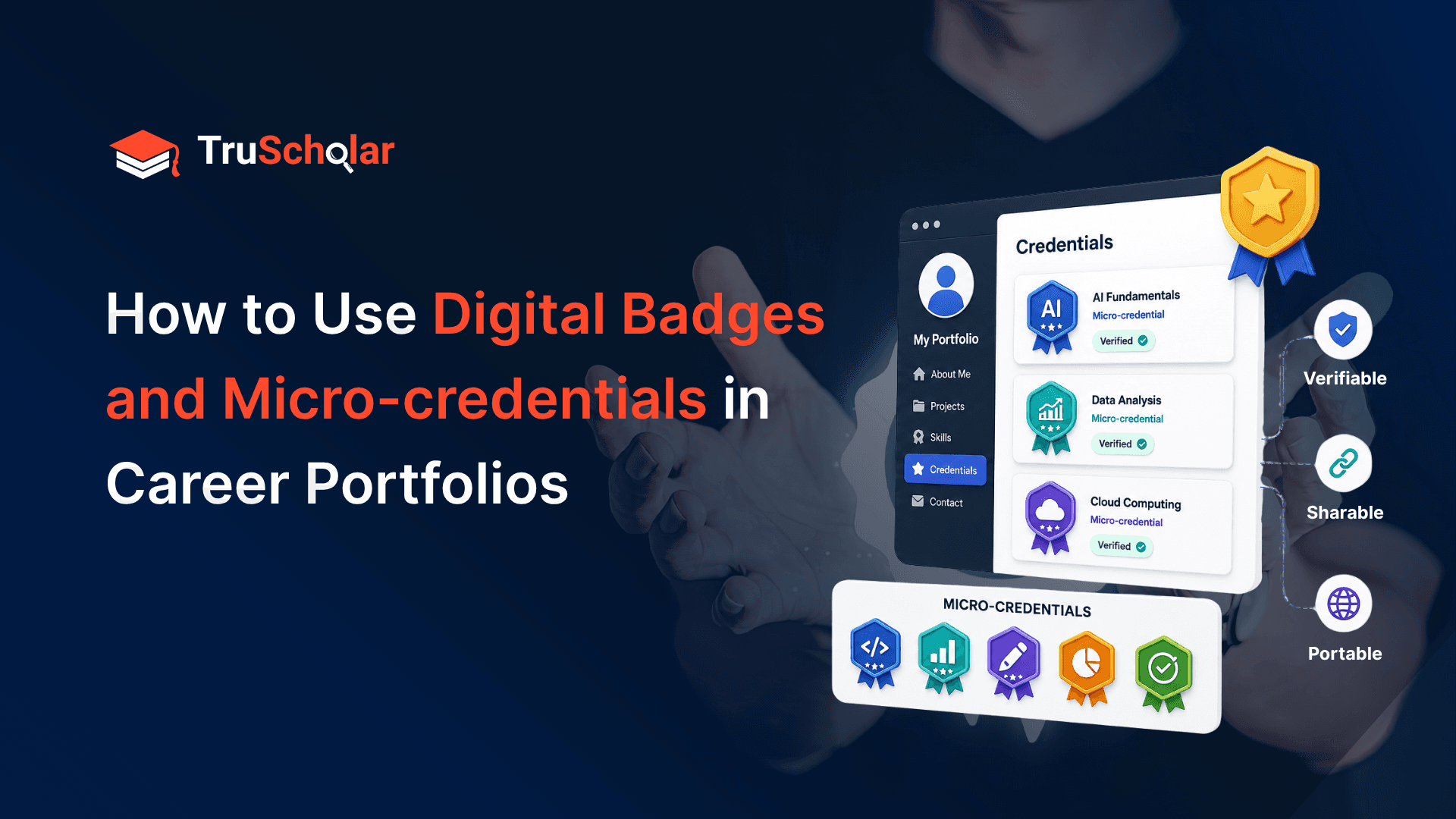
In today's competitive job market, employers want more than just degrees and resumes. Digital badges & micro credentials in portfolios provide a modern way for students and professionals to showcase verified skills, achievements, and specialized knowledge that can help them stand out during recruitment and career advancement.
Understanding Digital Badges and Microcredentials
Digital badges and microcredentials are digital representations of skills, competencies, certifications, and learning achievements earned through courses, training programs, workshops, or professional development activities.
Unlike traditional certificates that often focus on broader academic accomplishments, these credentials highlight specific skills and practical expertise. They provide employers with detailed information about what an individual has learned and how those skills apply to real-world situations.
As skill-based hiring becomes more common, digital badges & micro credentials in portfolios are becoming valuable tools for demonstrating career readiness and continuous learning.
Why Career Portfolios Matter More Than Ever
A career portfolio serves as a professional showcase of an individual's qualifications, accomplishments, and capabilities. It helps students and job seekers present evidence of their skills beyond what can be communicated through a traditional resume.
Employers increasingly seek candidates who can demonstrate practical competencies and ongoing professional development. Career portfolios help bridge this gap by offering tangible proof of learning achievements and workplace readiness.
When integrated effectively, digital badges & micro credentials in portfolios can strengthen professional credibility and create a more compelling candidate profile.
Benefits of Including Digital Badges and Microcredentials in Portfolios
Adding verified credentials to a professional portfolio offers several advantages for students, graduates, and working professionals.
Some of the key benefits include:
Digital badges provide verified evidence of skills that employers can trust. Unlike self-reported abilities on resumes, these credentials offer validation from recognized institutions, training providers, or industry organizations that have assessed specific competencies.
Microcredentials showcase specialized knowledge in targeted subject areas. This allows candidates to demonstrate expertise in emerging technologies, industry practices, and professional skills that may not be fully reflected through traditional academic qualifications.
Digital credentials help candidates differentiate themselves in competitive job markets. Recruiters reviewing multiple applications can quickly identify verified achievements that indicate commitment to continuous learning and professional development.
Online portfolios become more interactive and engaging when digital badges are included. Employers can often access detailed information about the skills earned, assessment criteria, and issuing organizations through embedded credential links.
Credentials can be easily shared across professional networking platforms, personal websites, and job applications. This increased visibility helps candidates expand their professional presence and attract potential career opportunities.
Verified achievements strengthen professional credibility by providing transparent evidence of learning accomplishments. Employers gain greater confidence when evaluating candidates whose skills have been independently assessed and authenticated.
Best Ways to Use Digital Badges & Micro Credentials in Portfolios
Simply earning credentials is not enough. To maximize their impact, individuals must strategically incorporate them into their professional portfolios.
Highlight Relevant Skills
Focus on credentials that directly support your career goals and target industry. Employers are more interested in badges and certifications that align with specific job requirements and organizational needs.
Organize Credentials by Category
Grouping badges and microcredentials into categories such as technical skills, leadership, project management, or communication helps create a more structured and professional portfolio presentation.
Include Verification Links
Whenever possible, provide direct verification links alongside credentials. This allows employers to validate achievements instantly and access additional information about the competencies represented by each badge.
Connect Credentials to Real Projects
Demonstrate how acquired skills have been applied in practical situations. Combining credentials with project examples helps employers understand the real-world value of your learning achievements.
Keep Credentials Updated
Career portfolios should evolve over time. Regularly adding new badges, certifications, and microcredentials reflects a commitment to lifelong learning and professional growth.
Showcase Credentials Across Multiple Platforms
In addition to career portfolios, digital badges should be displayed on professional networking profiles, digital resumes, and personal websites to maximize visibility and reach.
How Employers View Digital Credentials
Organizations are increasingly embracing skill-based hiring practices that focus on demonstrated abilities rather than solely on degrees or years of experience.
Digital badges provide recruiters with quick insights into a candidate's capabilities. Because many badges include detailed metadata and verification features, employers can better understand the specific competencies that candidates possess.
This transparency simplifies recruitment decisions and helps employers identify individuals who have developed relevant skills through formal education, online learning, and professional training.
As workforce demands continue to evolve, digital badges & micro credentials in portfolios are becoming important indicators of adaptability and continuous learning.
Common Mistakes to Avoid
While digital credentials can strengthen a portfolio, improper use may reduce their effectiveness. Candidates should focus on quality rather than quantity when presenting achievements.
Avoid overcrowding portfolios with unrelated credentials that do not support career objectives. Too many badges without clear relevance may distract employers from key qualifications.
It is also important to maintain portfolio organization and ensure that all credentials remain active, verifiable, and easy to access.
Finally, candidates should supplement credentials with practical examples, project work, and professional accomplishments that demonstrate the application of acquired skills.
The Future of Digital Credentials in Career Development
The growing popularity of skill-based hiring and digital recruitment is increasing demand for verifiable learning achievements. Educational institutions, employers, and training providers are investing in digital credential ecosystems that support lifelong learning and workforce development.
As technology continues to advance, digital badges and microcredentials will become even more integrated into professional networking platforms, recruitment systems, and career management tools.
This evolution will further strengthen the role of digital badges & micro credentials in portfolios as valuable assets for career growth and employability.
Conclusion
Professional success increasingly depends on the ability to demonstrate skills and continuous learning. Digital badges & micro credentials in portfolios provide verified proof of competencies, helping students and professionals showcase their expertise more effectively. By strategically integrating these credentials into career portfolios, individuals can improve visibility, strengthen credibility, and enhance their opportunities in today's evolving job market.
In today's competitive job market, employers want more than just degrees and resumes. Digital badges & micro credentials in portfolios provide a modern way for students and professionals to showcase verified skills, achievements, and specialized knowledge that can help them stand out during recruitment and career advancement.
Understanding Digital Badges and Microcredentials
Digital badges and microcredentials are digital representations of skills, competencies, certifications, and learning achievements earned through courses, training programs, workshops, or professional development activities.
Unlike traditional certificates that often focus on broader academic accomplishments, these credentials highlight specific skills and practical expertise. They provide employers with detailed information about what an individual has learned and how those skills apply to real-world situations.
As skill-based hiring becomes more common, digital badges & micro credentials in portfolios are becoming valuable tools for demonstrating career readiness and continuous learning.
Why Career Portfolios Matter More Than Ever
A career portfolio serves as a professional showcase of an individual's qualifications, accomplishments, and capabilities. It helps students and job seekers present evidence of their skills beyond what can be communicated through a traditional resume.
Employers increasingly seek candidates who can demonstrate practical competencies and ongoing professional development. Career portfolios help bridge this gap by offering tangible proof of learning achievements and workplace readiness.
When integrated effectively, digital badges & micro credentials in portfolios can strengthen professional credibility and create a more compelling candidate profile.
Benefits of Including Digital Badges and Microcredentials in Portfolios
Adding verified credentials to a professional portfolio offers several advantages for students, graduates, and working professionals.
Some of the key benefits include:
Digital badges provide verified evidence of skills that employers can trust. Unlike self-reported abilities on resumes, these credentials offer validation from recognized institutions, training providers, or industry organizations that have assessed specific competencies.
Microcredentials showcase specialized knowledge in targeted subject areas. This allows candidates to demonstrate expertise in emerging technologies, industry practices, and professional skills that may not be fully reflected through traditional academic qualifications.
Digital credentials help candidates differentiate themselves in competitive job markets. Recruiters reviewing multiple applications can quickly identify verified achievements that indicate commitment to continuous learning and professional development.
Online portfolios become more interactive and engaging when digital badges are included. Employers can often access detailed information about the skills earned, assessment criteria, and issuing organizations through embedded credential links.
Credentials can be easily shared across professional networking platforms, personal websites, and job applications. This increased visibility helps candidates expand their professional presence and attract potential career opportunities.
Verified achievements strengthen professional credibility by providing transparent evidence of learning accomplishments. Employers gain greater confidence when evaluating candidates whose skills have been independently assessed and authenticated.
Best Ways to Use Digital Badges & Micro Credentials in Portfolios
Simply earning credentials is not enough. To maximize their impact, individuals must strategically incorporate them into their professional portfolios.
Highlight Relevant Skills
Focus on credentials that directly support your career goals and target industry. Employers are more interested in badges and certifications that align with specific job requirements and organizational needs.
Organize Credentials by Category
Grouping badges and microcredentials into categories such as technical skills, leadership, project management, or communication helps create a more structured and professional portfolio presentation.
Include Verification Links
Whenever possible, provide direct verification links alongside credentials. This allows employers to validate achievements instantly and access additional information about the competencies represented by each badge.
Connect Credentials to Real Projects
Demonstrate how acquired skills have been applied in practical situations. Combining credentials with project examples helps employers understand the real-world value of your learning achievements.
Keep Credentials Updated
Career portfolios should evolve over time. Regularly adding new badges, certifications, and microcredentials reflects a commitment to lifelong learning and professional growth.
Showcase Credentials Across Multiple Platforms
In addition to career portfolios, digital badges should be displayed on professional networking profiles, digital resumes, and personal websites to maximize visibility and reach.
How Employers View Digital Credentials
Organizations are increasingly embracing skill-based hiring practices that focus on demonstrated abilities rather than solely on degrees or years of experience.
Digital badges provide recruiters with quick insights into a candidate's capabilities. Because many badges include detailed metadata and verification features, employers can better understand the specific competencies that candidates possess.
This transparency simplifies recruitment decisions and helps employers identify individuals who have developed relevant skills through formal education, online learning, and professional training.
As workforce demands continue to evolve, digital badges & micro credentials in portfolios are becoming important indicators of adaptability and continuous learning.
Common Mistakes to Avoid
While digital credentials can strengthen a portfolio, improper use may reduce their effectiveness. Candidates should focus on quality rather than quantity when presenting achievements.
Avoid overcrowding portfolios with unrelated credentials that do not support career objectives. Too many badges without clear relevance may distract employers from key qualifications.
It is also important to maintain portfolio organization and ensure that all credentials remain active, verifiable, and easy to access.
Finally, candidates should supplement credentials with practical examples, project work, and professional accomplishments that demonstrate the application of acquired skills.
The Future of Digital Credentials in Career Development
The growing popularity of skill-based hiring and digital recruitment is increasing demand for verifiable learning achievements. Educational institutions, employers, and training providers are investing in digital credential ecosystems that support lifelong learning and workforce development.
As technology continues to advance, digital badges and microcredentials will become even more integrated into professional networking platforms, recruitment systems, and career management tools.
This evolution will further strengthen the role of digital badges & micro credentials in portfolios as valuable assets for career growth and employability.
Conclusion
Professional success increasingly depends on the ability to demonstrate skills and continuous learning. Digital badges & micro credentials in portfolios provide verified proof of competencies, helping students and professionals showcase their expertise more effectively. By strategically integrating these credentials into career portfolios, individuals can improve visibility, strengthen credibility, and enhance their opportunities in today's evolving job market.
Unlock Your Career With the TruScholar AI Career Coach
Download The App Now


Issue Digital Credetials, Certificate, marksheet instant with Secure Blockchain Technology.
Read More Blogs
Read More Blogs
Read More Blogs

AI
How AI Is Reshaping Early Careers: Employer & Graduate Perspectives
AI
Career Planning with AI: ChatGPT and Beyond
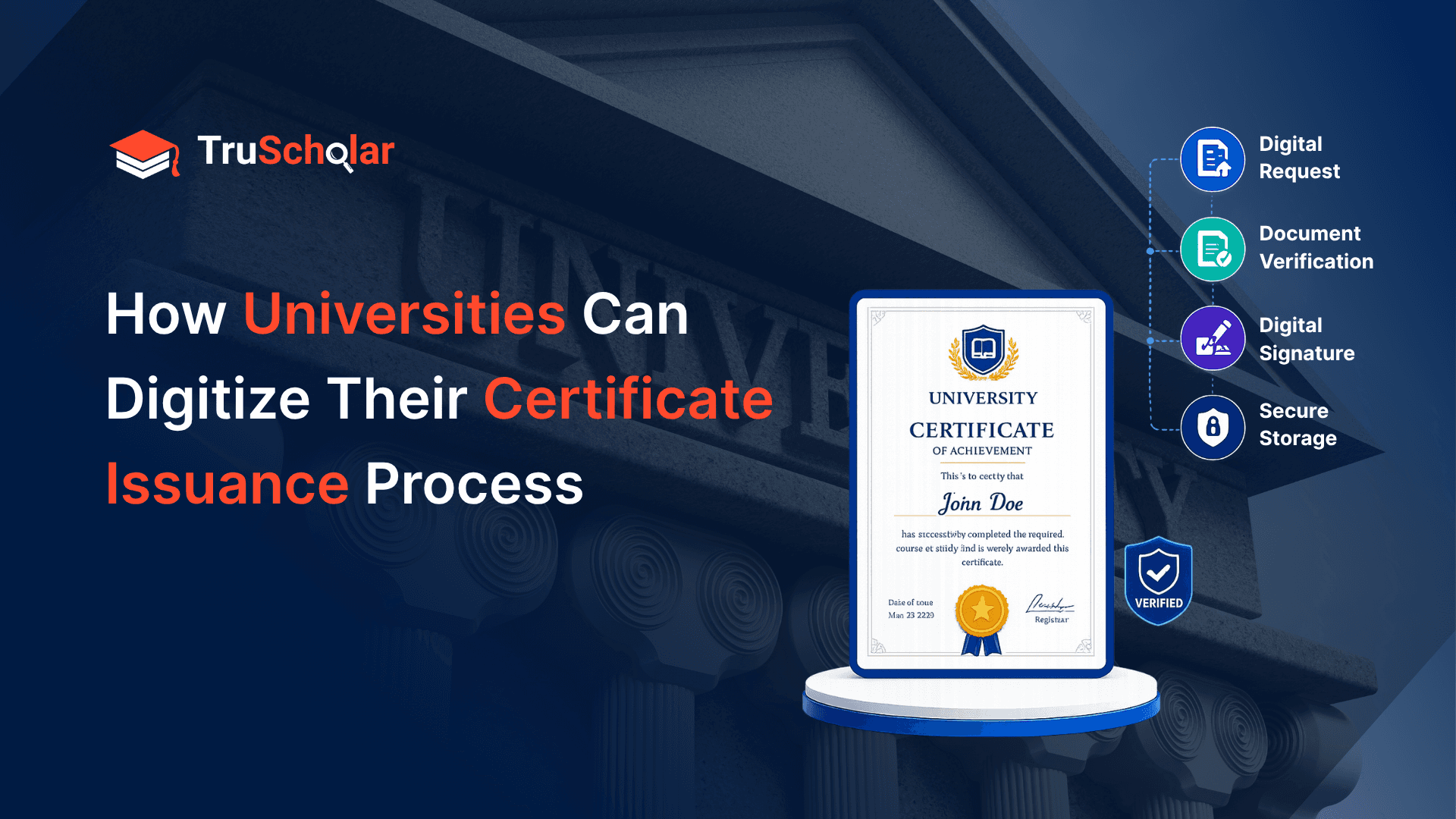
Digital Certificates
How Universities Can Digitize Their Certificate Issuance Process
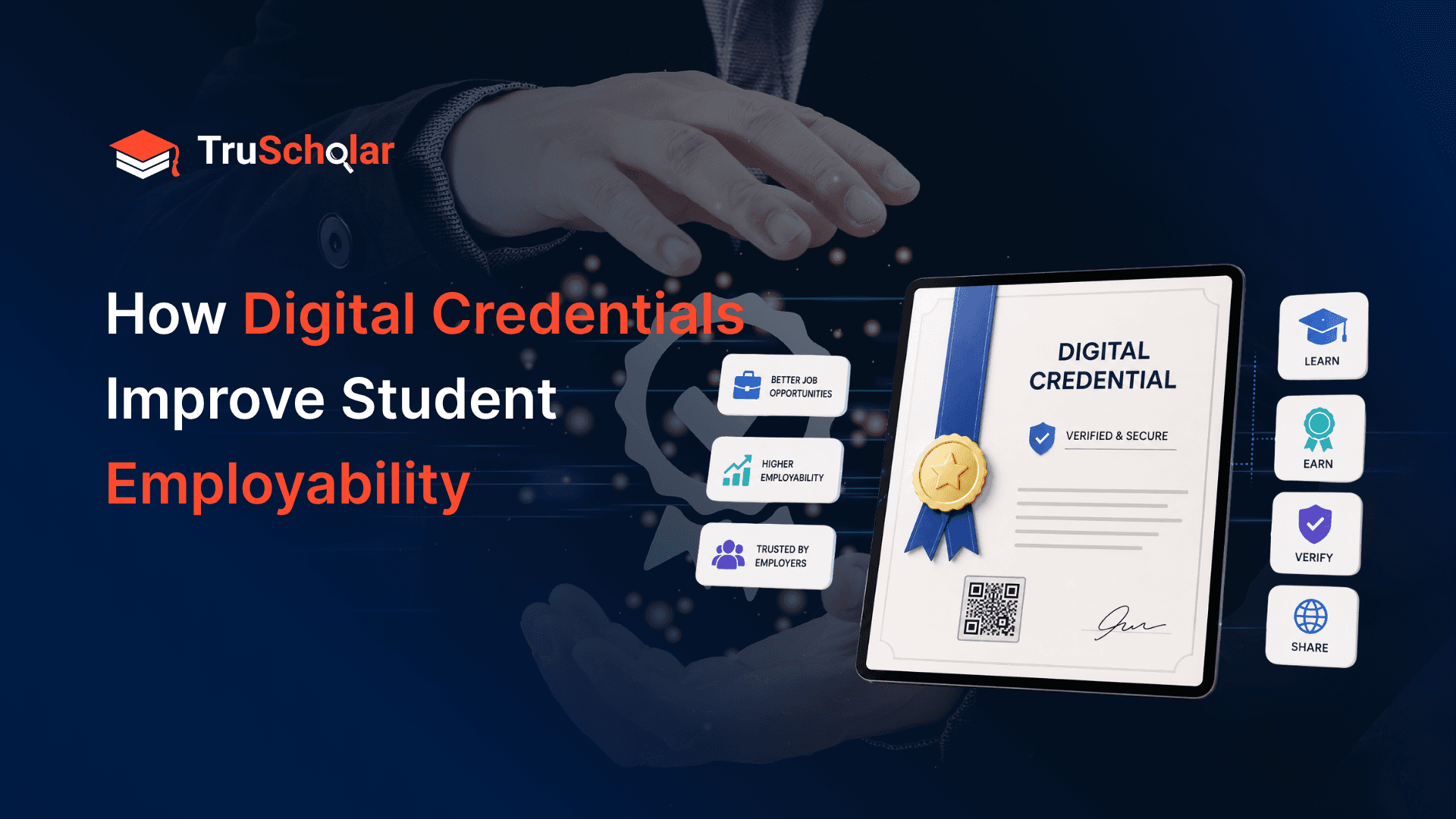
Digital Credentials
How Digital Credentials Improve Student Employability
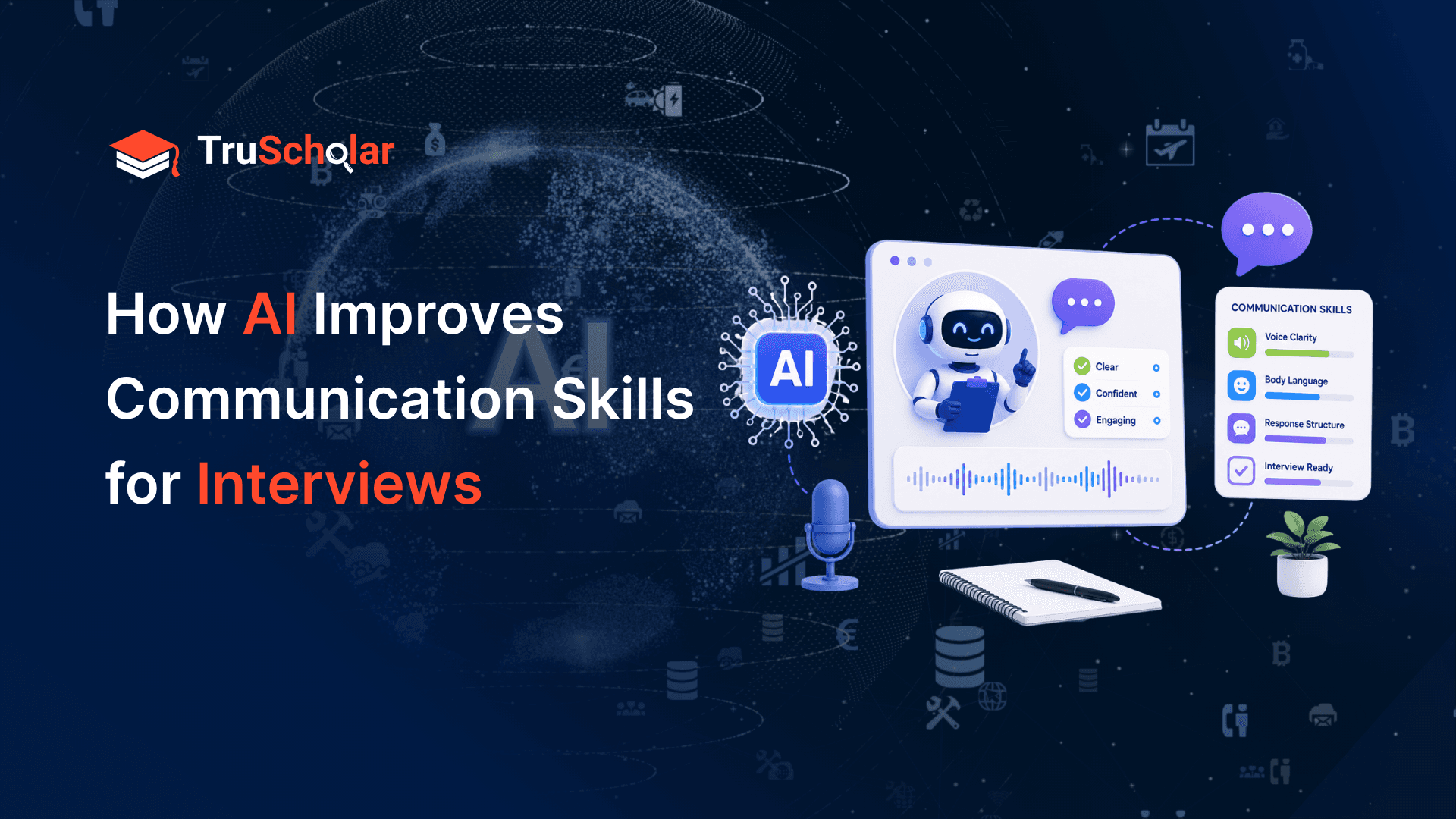
AI
How AI Improves Communication Skills for Interviews
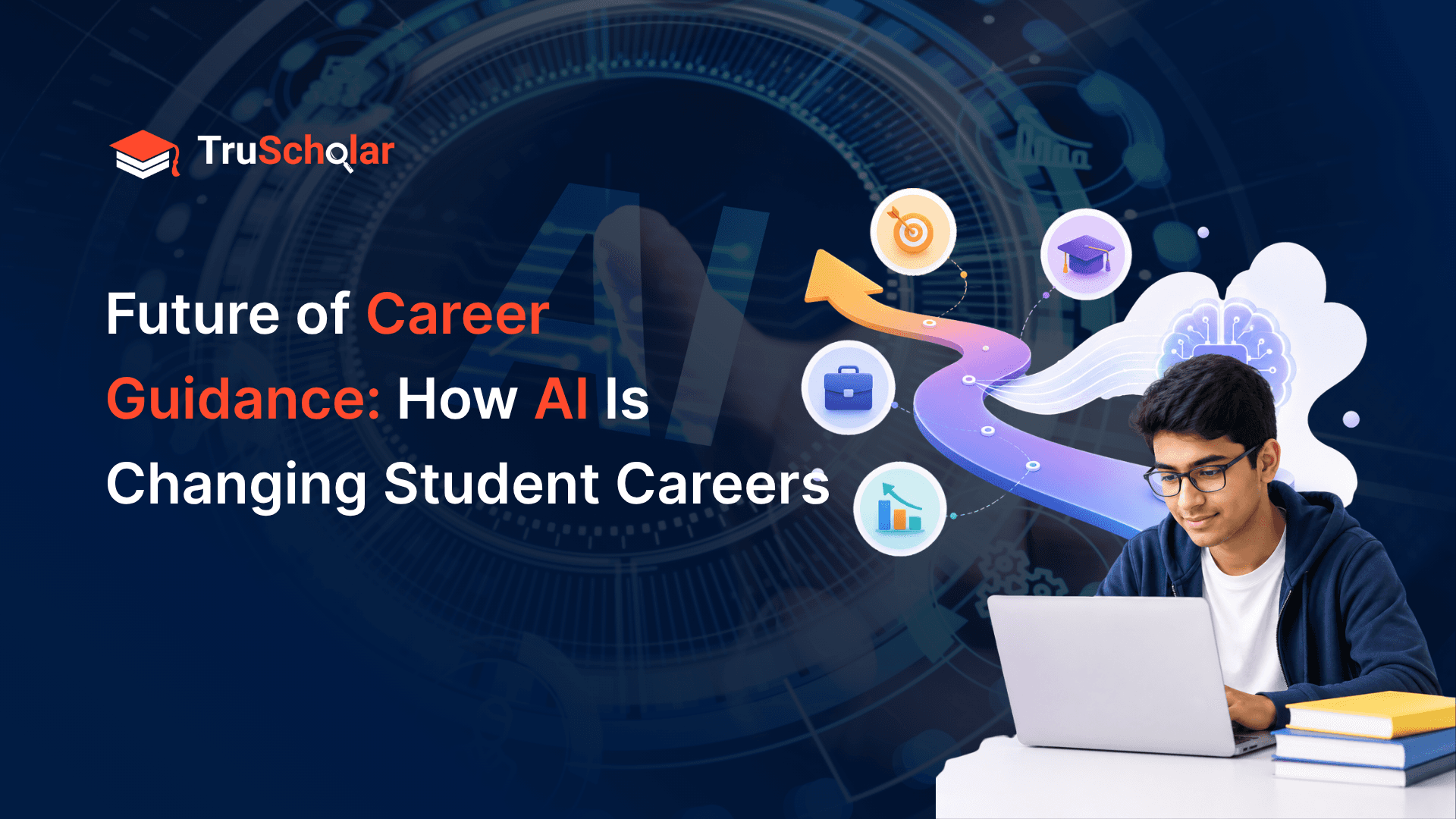
AI
Future of Career Guidance: How AI Is Changing Student Careers