AI
AI
AI
How AI Is Reshaping Early Careers: Employer & Graduate Perspectives
How AI Is Reshaping Early Careers: Employer & Graduate Perspectives
How AI Is Reshaping Early Careers: Employer & Graduate Perspectives
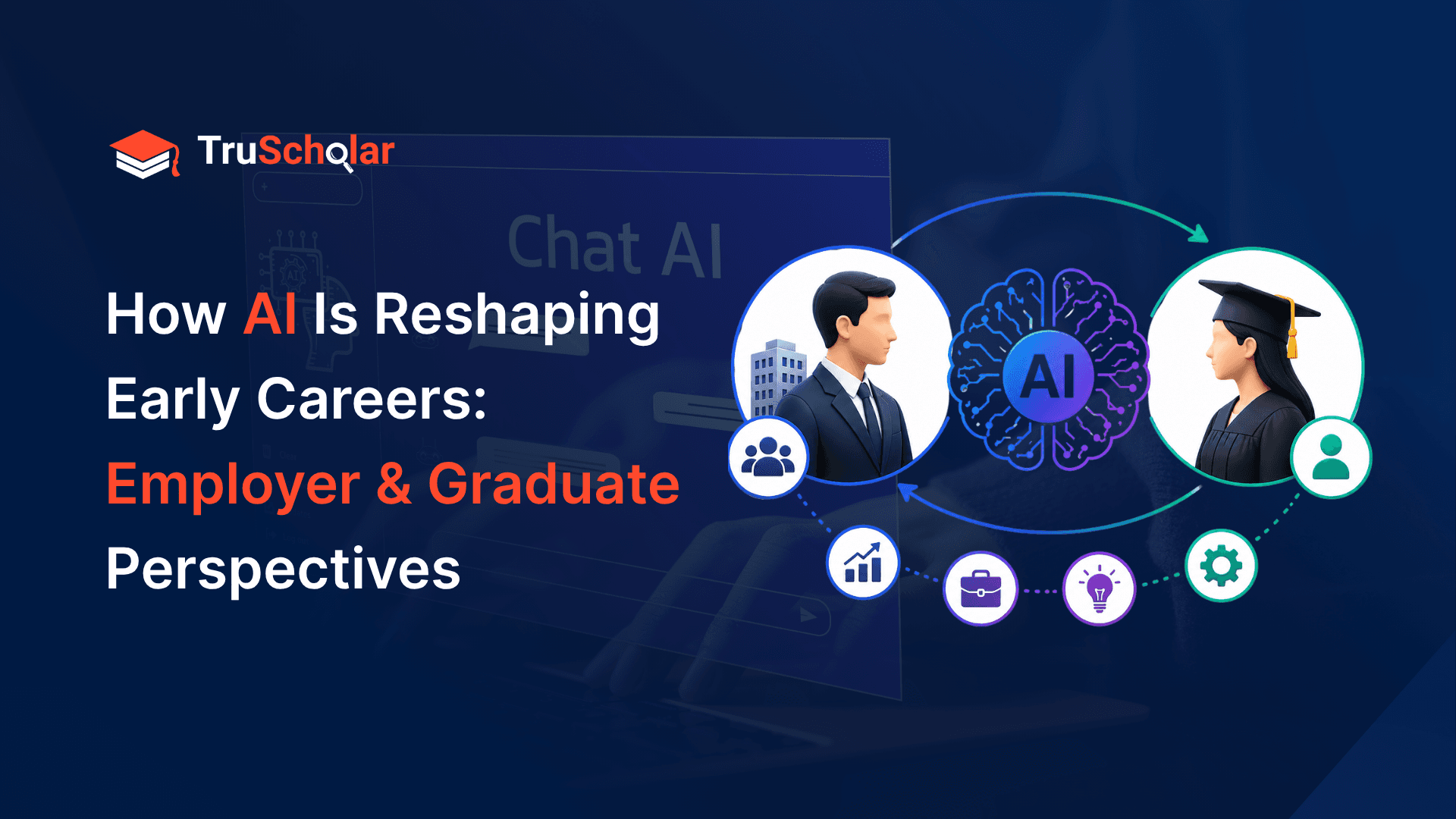
The transition from education to employment is evolving rapidly as technology transforms workplaces across industries. Understanding how ai is reshaping the student careers landscape helps graduates and employers adapt to changing expectations, emerging opportunities, and new approaches to workforce development.
The Growing Influence of AI in Early Careers
Artificial intelligence is no longer limited to technology companies or specialized industries. Today, AI is being integrated into recruitment, employee training, workplace operations, and career development processes across a wide range of sectors.
For graduates entering the workforce, this transformation creates both opportunities and challenges. While some traditional tasks are becoming automated, entirely new roles and skill requirements are emerging.
As organizations embrace digital transformation, understanding how ai is reshaping the student careers journey has become essential for students preparing for long-term professional success.
How AI Is Changing Graduate Career Opportunities
The rise of artificial intelligence is influencing the types of jobs available to graduates and the skills employers prioritize during recruitment.
Many organizations are seeking candidates who can work effectively alongside AI technologies while demonstrating uniquely human abilities such as creativity, critical thinking, communication, and problem-solving.
Rather than eliminating opportunities, AI is reshaping job roles and creating demand for professionals who can adapt to changing workplace environments.
Graduates who understand AI tools and develop future-ready skills are often better positioned to compete in today's evolving job market.
Employer Perspectives on AI and Graduate Hiring
Employers are increasingly leveraging AI to improve hiring efficiency, identify qualified candidates, and support workforce planning initiatives.
Several trends highlight how organizations are adapting recruitment strategies in response to technological advancements:
AI-powered recruitment platforms help employers screen applications more efficiently by analyzing qualifications, skills, and experience. This allows hiring teams to focus on the most suitable candidates while reducing administrative workloads during recruitment processes.
Organizations increasingly value candidates who demonstrate digital literacy and adaptability. Graduates with experience using modern technologies often stand out because they are better prepared to contribute within technology-driven workplace environments.
Employers are prioritizing skill-based hiring approaches rather than relying solely on academic qualifications. Verified competencies, certifications, and practical experience are becoming important indicators of workplace readiness and long-term potential.
AI tools support workforce planning by helping organizations identify future skill requirements. This enables employers to recruit graduates whose capabilities align with evolving business needs and industry developments.
Recruitment analytics provide deeper insights into candidate suitability and performance potential. These data-driven approaches improve hiring decisions while helping organizations build stronger and more diverse teams.
Companies are investing in continuous learning initiatives to help employees adapt to technological change. Graduates who demonstrate a commitment to lifelong learning are often viewed as valuable long-term contributors.
Graduate Perspectives on AI in Career Development
Graduates entering today's workforce recognize that technology is influencing career opportunities in significant ways. Many view AI as a tool that can support professional growth rather than simply a source of workplace disruption.
Students and early-career professionals are increasingly using AI-powered platforms for career planning, interview preparation, resume development, and skill-building activities.
Understanding how ai is reshaping the student careers experience allows graduates to make more informed decisions regarding education, certifications, and professional development pathways.
Those who embrace AI as a learning and productivity tool often gain advantages when navigating competitive job markets.
Skills Becoming More Important in the AI Era
As automation transforms certain tasks, employers are placing greater emphasis on skills that complement technological capabilities.
Several competencies are becoming particularly valuable for graduates entering AI-influenced workplaces:
Critical thinking enables employees to analyze information, evaluate outcomes, and make informed decisions. While AI can process large amounts of data, human judgment remains essential for interpreting results and solving complex problems.
Communication skills continue to play a crucial role in workplace success. Graduates must effectively collaborate with colleagues, present ideas clearly, and build relationships that support organizational objectives and team performance.
Adaptability helps professionals respond successfully to changing technologies, workflows, and business requirements. Employers value individuals who can learn quickly and remain productive in dynamic environments.
Creativity supports innovation by enabling employees to develop new ideas, solutions, and strategies. Human imagination remains a key differentiator in many industries despite advances in artificial intelligence capabilities.
Digital literacy allows graduates to work confidently with technology platforms, data systems, and AI-powered tools. Understanding how to use technology effectively is becoming a core professional competency.
Continuous learning demonstrates a commitment to professional growth and skill development. Individuals who actively update their knowledge are better prepared to remain relevant as industries continue evolving.
Challenges Created by AI in Early Careers
Although AI creates numerous opportunities, it also introduces challenges that graduates and employers must address.
Some entry-level tasks traditionally used for skill development may become automated, requiring organizations to rethink onboarding and professional training approaches. Graduates may also face increased competition as hiring processes become more data-driven and performance-focused.
There are also concerns regarding ethical AI use, algorithmic bias, and workforce displacement. Employers must ensure that AI supports fair and inclusive recruitment practices while maintaining transparency throughout hiring processes.
Addressing these challenges requires collaboration between educational institutions, employers, and students to create pathways that support successful workforce transitions.
The Role of Education in Preparing Future Professionals
Educational institutions play an important role in helping students prepare for AI-driven workplaces. Universities and colleges are increasingly integrating digital literacy, data analysis, and technology-focused learning into academic programs.
Career readiness initiatives are also evolving to include AI-related competencies, practical experiences, and industry-aligned training opportunities.
By understanding how ai is reshaping the student careers landscape, educational institutions can equip graduates with the skills and confidence needed to thrive in future workplaces.
Conclusion
Artificial intelligence is transforming the way graduates prepare for careers and how employers identify talent. Understanding how ai is reshaping the student careers journey helps both organizations and job seekers adapt to changing workforce expectations. While AI is creating new challenges, it is also opening doors to innovative career opportunities, making adaptability, continuous learning, and digital skills more important than ever before.
The transition from education to employment is evolving rapidly as technology transforms workplaces across industries. Understanding how ai is reshaping the student careers landscape helps graduates and employers adapt to changing expectations, emerging opportunities, and new approaches to workforce development.
The Growing Influence of AI in Early Careers
Artificial intelligence is no longer limited to technology companies or specialized industries. Today, AI is being integrated into recruitment, employee training, workplace operations, and career development processes across a wide range of sectors.
For graduates entering the workforce, this transformation creates both opportunities and challenges. While some traditional tasks are becoming automated, entirely new roles and skill requirements are emerging.
As organizations embrace digital transformation, understanding how ai is reshaping the student careers journey has become essential for students preparing for long-term professional success.
How AI Is Changing Graduate Career Opportunities
The rise of artificial intelligence is influencing the types of jobs available to graduates and the skills employers prioritize during recruitment.
Many organizations are seeking candidates who can work effectively alongside AI technologies while demonstrating uniquely human abilities such as creativity, critical thinking, communication, and problem-solving.
Rather than eliminating opportunities, AI is reshaping job roles and creating demand for professionals who can adapt to changing workplace environments.
Graduates who understand AI tools and develop future-ready skills are often better positioned to compete in today's evolving job market.
Employer Perspectives on AI and Graduate Hiring
Employers are increasingly leveraging AI to improve hiring efficiency, identify qualified candidates, and support workforce planning initiatives.
Several trends highlight how organizations are adapting recruitment strategies in response to technological advancements:
AI-powered recruitment platforms help employers screen applications more efficiently by analyzing qualifications, skills, and experience. This allows hiring teams to focus on the most suitable candidates while reducing administrative workloads during recruitment processes.
Organizations increasingly value candidates who demonstrate digital literacy and adaptability. Graduates with experience using modern technologies often stand out because they are better prepared to contribute within technology-driven workplace environments.
Employers are prioritizing skill-based hiring approaches rather than relying solely on academic qualifications. Verified competencies, certifications, and practical experience are becoming important indicators of workplace readiness and long-term potential.
AI tools support workforce planning by helping organizations identify future skill requirements. This enables employers to recruit graduates whose capabilities align with evolving business needs and industry developments.
Recruitment analytics provide deeper insights into candidate suitability and performance potential. These data-driven approaches improve hiring decisions while helping organizations build stronger and more diverse teams.
Companies are investing in continuous learning initiatives to help employees adapt to technological change. Graduates who demonstrate a commitment to lifelong learning are often viewed as valuable long-term contributors.
Graduate Perspectives on AI in Career Development
Graduates entering today's workforce recognize that technology is influencing career opportunities in significant ways. Many view AI as a tool that can support professional growth rather than simply a source of workplace disruption.
Students and early-career professionals are increasingly using AI-powered platforms for career planning, interview preparation, resume development, and skill-building activities.
Understanding how ai is reshaping the student careers experience allows graduates to make more informed decisions regarding education, certifications, and professional development pathways.
Those who embrace AI as a learning and productivity tool often gain advantages when navigating competitive job markets.
Skills Becoming More Important in the AI Era
As automation transforms certain tasks, employers are placing greater emphasis on skills that complement technological capabilities.
Several competencies are becoming particularly valuable for graduates entering AI-influenced workplaces:
Critical thinking enables employees to analyze information, evaluate outcomes, and make informed decisions. While AI can process large amounts of data, human judgment remains essential for interpreting results and solving complex problems.
Communication skills continue to play a crucial role in workplace success. Graduates must effectively collaborate with colleagues, present ideas clearly, and build relationships that support organizational objectives and team performance.
Adaptability helps professionals respond successfully to changing technologies, workflows, and business requirements. Employers value individuals who can learn quickly and remain productive in dynamic environments.
Creativity supports innovation by enabling employees to develop new ideas, solutions, and strategies. Human imagination remains a key differentiator in many industries despite advances in artificial intelligence capabilities.
Digital literacy allows graduates to work confidently with technology platforms, data systems, and AI-powered tools. Understanding how to use technology effectively is becoming a core professional competency.
Continuous learning demonstrates a commitment to professional growth and skill development. Individuals who actively update their knowledge are better prepared to remain relevant as industries continue evolving.
Challenges Created by AI in Early Careers
Although AI creates numerous opportunities, it also introduces challenges that graduates and employers must address.
Some entry-level tasks traditionally used for skill development may become automated, requiring organizations to rethink onboarding and professional training approaches. Graduates may also face increased competition as hiring processes become more data-driven and performance-focused.
There are also concerns regarding ethical AI use, algorithmic bias, and workforce displacement. Employers must ensure that AI supports fair and inclusive recruitment practices while maintaining transparency throughout hiring processes.
Addressing these challenges requires collaboration between educational institutions, employers, and students to create pathways that support successful workforce transitions.
The Role of Education in Preparing Future Professionals
Educational institutions play an important role in helping students prepare for AI-driven workplaces. Universities and colleges are increasingly integrating digital literacy, data analysis, and technology-focused learning into academic programs.
Career readiness initiatives are also evolving to include AI-related competencies, practical experiences, and industry-aligned training opportunities.
By understanding how ai is reshaping the student careers landscape, educational institutions can equip graduates with the skills and confidence needed to thrive in future workplaces.
Conclusion
Artificial intelligence is transforming the way graduates prepare for careers and how employers identify talent. Understanding how ai is reshaping the student careers journey helps both organizations and job seekers adapt to changing workforce expectations. While AI is creating new challenges, it is also opening doors to innovative career opportunities, making adaptability, continuous learning, and digital skills more important than ever before.