Digital Credentials
Digital Credentials
Digital Credentials
Building a Lifelong Learning Portfolio with a Digital Credential Wallet
Building a Lifelong Learning Portfolio with a Digital Credential Wallet
Building a Lifelong Learning Portfolio with a Digital Credential Wallet
By
Ritika Jakhotiya

Over the course of their academic life, a learner earns several certificates: participation certificates, marksheets, SPM and STPM results, SKM qualifications, degrees and diplomas. They may also take up short courses alongside their full-time studies to develop skills and strengthen their resumes. At the workplace, they might earn professional certificates and experience letters.
From school to their first job and beyond, storing and organising these documents can become troublesome, with an added risk of misplacing them. If all certificates could be stored in one place, easy to search, organise and share, it would take a mental load off students and allow them to focus on more important tasks.
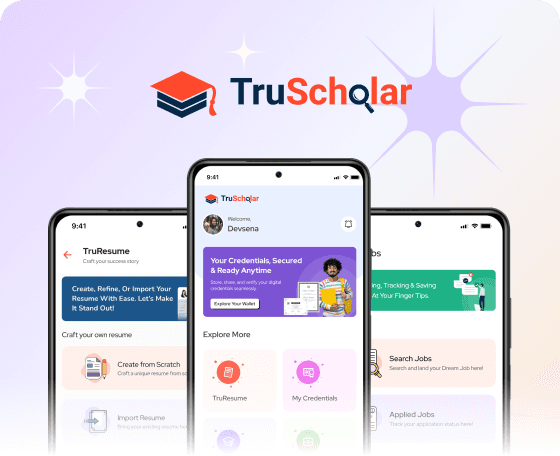
A lifelong portfolio that keeps their credentials across different stages of life and institutions can be a solution. This can be achieved with a digital credential wallet. When universities or other institutions generate and issue credentials through TruScholar, they can be delivered directly to the learner’s wallet, with a downloadable PDF option.

Digital Wallet for University Students
This could be the procedure at your university now: enter marks in a spreadsheet, get them approved, re-enter them in marksheets, and distribute physical copies to students. This can be time-consuming, and even after students receive their documents, there is always a chance of misplacing them. Whether it is a marksheet or another academic credential, a missing or incorrect document can create difficulties when applying for higher studies or jobs.
To reduce the chances of such situations and make academic records easier to access, digital credential issuance along with a learner wallet can help. When credentials are delivered straight to a learner’s wallet, students have a secure digital copy they can access whenever needed.
For Malaysian universities, this can include a range of academic records and achievements. A student may need their transkrip akademik (academic transcript), degree certificate, diploma, or a record of their completed semester. Other qualifications, such as SPM and STPM results or an SKM certificate, may also form part of their wider learning history.
Instead of searching through old email attachments, cupboards or folders, learners can access the credentials issued to them through a single digital space. They can download a PDF when a physical copy is required, or share the credential digitally when applying for an opportunity.
For instance, a student has completed Kursus Sarjana Muda from your university. Over the duration of the course, they receive digital marksheets, participation certificates, LORs, transkrip akademik and Ijazah Sarjana Muda issued through TruScholar in their learner wallet. Now, whether they apply for a job or Ijazah Sarjana, they can search and easily share the credentials through the app. With all the credentials stored in one app, they can share those even years after graduating without having to ask your administrative staff for duplicate copies.
Bringing Short Courses and Professional Certificates Together
A degree is an important part of a person’s education, but it is rarely the whole story. Many students take up additional learning opportunities during their university years. These may include language courses, digital skills programmes, workshops, industry training, online courses and short-term certifications offered by the university or external organisations.
For example, a student studying business might complete a digital marketing course. An engineering student may attend a technical workshop, while someone pursuing computer science could earn a certificate in data analytics. These achievements may not carry the same academic weight as a degree, but they show an interest in learning beyond the classroom.
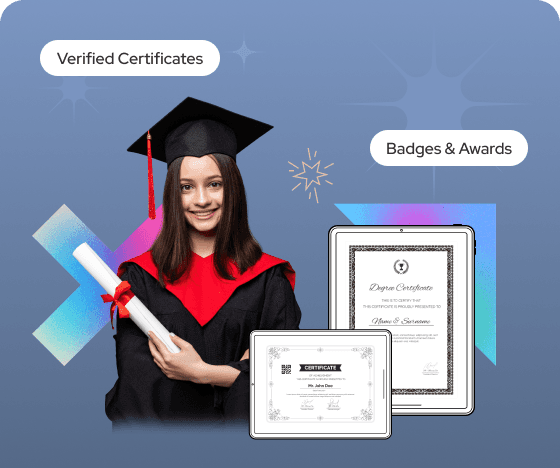
Universities can issue digital certificates for eligible workshops, training sessions, competitions and short courses. Membership organisations and professional bodies can also issue credentials for completed programmes, professional development activities and recognised certifications.
For Malaysian learners, this could include achievements from kursus pendek (short courses), latihan profesional (professional training), and programmes offered by badan profesional (professional bodies).
When these credentials are delivered to a digital wallet, learners can keep them alongside their formal academic qualifications. Their portfolio gradually becomes a record of what they have studied, the skills they have developed and the additional learning they have completed.
This is particularly useful for graduates entering the job market. A degree may show their area of study, while additional certificates can offer a clearer picture of their practical skills and interests.
Organising Credentials Across Different Stages of Life
One of the biggest advantages of a digital credential wallet is that it can grow with the learner.
A student might begin with school-level records, including SPM or STPM results. Later, they may add a diploma or degree, followed by internship certificates, participation records and short-course achievements. After entering the workforce, they can continue adding professional certifications and other credentials issued by participating organisations.
For learners following vocational pathways, this may also include qualifications such as the Sijil Kemahiran Malaysia (SKM). As they progress through different levels of training and professional development, these records can help present a more complete picture of their learning journey.
The idea is to move beyond storing certificates as individual files. A well-organised portfolio allows learners to keep track of their achievements and retrieve relevant documents when needed.
For instance, someone applying for a job in the hospitality industry may want to share their degree, internship certificate and food safety training credential. Another person applying for a postgraduate programme may need their degree certificate and transkrip akademik. Having these records accessible in one place makes it easier to find the right documents for each situation.
Of course, the wallet can only display credentials that have been issued to it or added through supported processes. It does not automatically collect every certificate a person has ever earned. Institutions and issuing organisations still play an important role in making their credentials available digitally.
Sharing Credentials Without Losing Control
Keeping credentials organised is one part of the process. Sharing them with the right people is another.
Students and graduates frequently need to submit academic records to employers, universities, scholarship providers and professional organisations. Traditionally, this means attaching several PDFs to an email, uploading documents to different portals or carrying printed copies for verification.
A digital credential wallet can make this process more convenient. Instead of sending multiple files, learners can share a digital credential through a verification link or QR code, depending on the issuer’s setup. The recipient can then access the credential’s verification record and check the information provided by the issuing institution.
This can make the process easier for both sides. A graduate applying for a position can share relevant qualifications with an employer, while a university admissions team can review the credentials submitted by an applicant.
Consent-based sharing is an important part of this experience. Learners should be able to decide which credentials they want to share and with whom. Someone applying for a marketing role, for example, may choose to share their degree and digital marketing certificate without sharing unrelated records from other stages of their education. This gives learners greater control over how they present their achievements. It also helps them avoid sending an entire collection of personal documents when only a few are relevant.
A digital wallet does not remove every verification requirement. Employers, universities and government authorities may still ask for additional documents, official authentication or specific submission procedures. However, verifiable digital credentials can make routine checks more straightforward.
How TruScholar Supports a Lifelong Learning Portfolio
For universities and other educational institutions, issuing a credential is only one part of the learner experience. Making sure students can access and use that credential later is equally important.
TruScholar supports institutions in creating, approving and issuing digital credentials. These can be delivered to learners through their digital credential wallets, where they can access their achievements and download PDF copies when required.
Institutions can manage different types of credentials, including degrees, diplomas, academic records, short-course certificates, participation certificates and other eligible achievements. Bulk issuance and workflow-based approvals can also help reduce repetitive administrative work, particularly when a university needs to issue credentials to a large graduating batch.
For learners, the wallet provides a central place to access credentials issued through the platform. QR codes and verification links can help recipients check the authenticity of a credential without relying only on a document shared as an attachment.
This creates value beyond the immediate process of graduation. A university can issue a credential today, while the learner may need to access and share it several years later. The digital wallet helps bridge that gap between the institution’s issuance process and the learner’s future requirements.
Supporting Lifelong Learning
Learning does not stop when a student receives their ijazah (degree certificate) or completes their first job application. People continue to learn through professional development, workplace training, industry certifications and personal interests. This is the idea behind pembelajaran sepanjang hayat, or lifelong learning.
A digital credential wallet can help bring these achievements together over time. It gives learners a more organised way to keep track of their qualifications, while universities, training providers and professional bodies can make their issued credentials easier to access and verify.
For Malaysian institutions, the opportunity is to think beyond issuing certificates at the end of a programme. It is also about helping students carry a reliable record of their learning into their next academic or professional chapter.
With TruScholar, universities and other credential-issuing organisations can make that journey more connected, from the first qualification to the many learning achievements that follow.
Give your learners a place to carry their achievements forward. Explore how TruScholar’s digital credential wallet can support a more connected learning experience.
Over the course of their academic life, a learner earns several certificates: participation certificates, marksheets, SPM and STPM results, SKM qualifications, degrees and diplomas. They may also take up short courses alongside their full-time studies to develop skills and strengthen their resumes. At the workplace, they might earn professional certificates and experience letters.
From school to their first job and beyond, storing and organising these documents can become troublesome, with an added risk of misplacing them. If all certificates could be stored in one place, easy to search, organise and share, it would take a mental load off students and allow them to focus on more important tasks.
A lifelong portfolio that keeps their credentials across different stages of life and institutions can be a solution. This can be achieved with a digital credential wallet. When universities or other institutions generate and issue credentials through TruScholar, they can be delivered directly to the learner’s wallet, with a downloadable PDF option.
Digital Wallet for University Students
This could be the procedure at your university now: enter marks in a spreadsheet, get them approved, re-enter them in marksheets, and distribute physical copies to students. This can be time-consuming, and even after students receive their documents, there is always a chance of misplacing them. Whether it is a marksheet or another academic credential, a missing or incorrect document can create difficulties when applying for higher studies or jobs.
To reduce the chances of such situations and make academic records easier to access, digital credential issuance along with a learner wallet can help. When credentials are delivered straight to a learner’s wallet, students have a secure digital copy they can access whenever needed.
For Malaysian universities, this can include a range of academic records and achievements. A student may need their transkrip akademik (academic transcript), degree certificate, diploma, or a record of their completed semester. Other qualifications, such as SPM and STPM results or an SKM certificate, may also form part of their wider learning history.
Instead of searching through old email attachments, cupboards or folders, learners can access the credentials issued to them through a single digital space. They can download a PDF when a physical copy is required, or share the credential digitally when applying for an opportunity.
For instance, a student has completed Kursus Sarjana Muda from your university. Over the duration of the course, they receive digital marksheets, participation certificates, LORs, transkrip akademik and Ijazah Sarjana Muda issued through TruScholar in their learner wallet. Now, whether they apply for a job or Ijazah Sarjana, they can search and easily share the credentials through the app. With all the credentials stored in one app, they can share those even years after graduating without having to ask your administrative staff for duplicate copies.
Bringing Short Courses and Professional Certificates Together
A degree is an important part of a person’s education, but it is rarely the whole story. Many students take up additional learning opportunities during their university years. These may include language courses, digital skills programmes, workshops, industry training, online courses and short-term certifications offered by the university or external organisations.
For example, a student studying business might complete a digital marketing course. An engineering student may attend a technical workshop, while someone pursuing computer science could earn a certificate in data analytics. These achievements may not carry the same academic weight as a degree, but they show an interest in learning beyond the classroom.
Universities can issue digital certificates for eligible workshops, training sessions, competitions and short courses. Membership organisations and professional bodies can also issue credentials for completed programmes, professional development activities and recognised certifications.
For Malaysian learners, this could include achievements from kursus pendek (short courses), latihan profesional (professional training), and programmes offered by badan profesional (professional bodies).
When these credentials are delivered to a digital wallet, learners can keep them alongside their formal academic qualifications. Their portfolio gradually becomes a record of what they have studied, the skills they have developed and the additional learning they have completed.
This is particularly useful for graduates entering the job market. A degree may show their area of study, while additional certificates can offer a clearer picture of their practical skills and interests.
Organising Credentials Across Different Stages of Life
One of the biggest advantages of a digital credential wallet is that it can grow with the learner.
A student might begin with school-level records, including SPM or STPM results. Later, they may add a diploma or degree, followed by internship certificates, participation records and short-course achievements. After entering the workforce, they can continue adding professional certifications and other credentials issued by participating organisations.
For learners following vocational pathways, this may also include qualifications such as the Sijil Kemahiran Malaysia (SKM). As they progress through different levels of training and professional development, these records can help present a more complete picture of their learning journey.
The idea is to move beyond storing certificates as individual files. A well-organised portfolio allows learners to keep track of their achievements and retrieve relevant documents when needed.
For instance, someone applying for a job in the hospitality industry may want to share their degree, internship certificate and food safety training credential. Another person applying for a postgraduate programme may need their degree certificate and transkrip akademik. Having these records accessible in one place makes it easier to find the right documents for each situation.
Of course, the wallet can only display credentials that have been issued to it or added through supported processes. It does not automatically collect every certificate a person has ever earned. Institutions and issuing organisations still play an important role in making their credentials available digitally.
Sharing Credentials Without Losing Control
Keeping credentials organised is one part of the process. Sharing them with the right people is another.
Students and graduates frequently need to submit academic records to employers, universities, scholarship providers and professional organisations. Traditionally, this means attaching several PDFs to an email, uploading documents to different portals or carrying printed copies for verification.
A digital credential wallet can make this process more convenient. Instead of sending multiple files, learners can share a digital credential through a verification link or QR code, depending on the issuer’s setup. The recipient can then access the credential’s verification record and check the information provided by the issuing institution.
This can make the process easier for both sides. A graduate applying for a position can share relevant qualifications with an employer, while a university admissions team can review the credentials submitted by an applicant.
Consent-based sharing is an important part of this experience. Learners should be able to decide which credentials they want to share and with whom. Someone applying for a marketing role, for example, may choose to share their degree and digital marketing certificate without sharing unrelated records from other stages of their education. This gives learners greater control over how they present their achievements. It also helps them avoid sending an entire collection of personal documents when only a few are relevant.
A digital wallet does not remove every verification requirement. Employers, universities and government authorities may still ask for additional documents, official authentication or specific submission procedures. However, verifiable digital credentials can make routine checks more straightforward.
How TruScholar Supports a Lifelong Learning Portfolio
For universities and other educational institutions, issuing a credential is only one part of the learner experience. Making sure students can access and use that credential later is equally important.
TruScholar supports institutions in creating, approving and issuing digital credentials. These can be delivered to learners through their digital credential wallets, where they can access their achievements and download PDF copies when required.
Institutions can manage different types of credentials, including degrees, diplomas, academic records, short-course certificates, participation certificates and other eligible achievements. Bulk issuance and workflow-based approvals can also help reduce repetitive administrative work, particularly when a university needs to issue credentials to a large graduating batch.
For learners, the wallet provides a central place to access credentials issued through the platform. QR codes and verification links can help recipients check the authenticity of a credential without relying only on a document shared as an attachment.
This creates value beyond the immediate process of graduation. A university can issue a credential today, while the learner may need to access and share it several years later. The digital wallet helps bridge that gap between the institution’s issuance process and the learner’s future requirements.
Supporting Lifelong Learning
Learning does not stop when a student receives their ijazah (degree certificate) or completes their first job application. People continue to learn through professional development, workplace training, industry certifications and personal interests. This is the idea behind pembelajaran sepanjang hayat, or lifelong learning.
A digital credential wallet can help bring these achievements together over time. It gives learners a more organised way to keep track of their qualifications, while universities, training providers and professional bodies can make their issued credentials easier to access and verify.
For Malaysian institutions, the opportunity is to think beyond issuing certificates at the end of a programme. It is also about helping students carry a reliable record of their learning into their next academic or professional chapter.
With TruScholar, universities and other credential-issuing organisations can make that journey more connected, from the first qualification to the many learning achievements that follow.
Give your learners a place to carry their achievements forward. Explore how TruScholar’s digital credential wallet can support a more connected learning experience.